


Study Finds COVID-19 Significantly Increases Risk of Type 2 Diabetes in Children
A groundbreaking study published in JAMA Network Open has revealed that children who contract COVID-19 face a 55% to 58% increased risk of developing type 2 diabetes within six months compared to those who suffer from other respiratory infections.
This startling finding underscores the broader and long-term health consequences of the COVID-19 pandemic, particularly for younger populations, and calls for enhanced monitoring and care for children post-infection.
A Deep Dive Into the Study The study examined the health outcomes of a large group of children who had contracted COVID-19 and compared them to children who had other respiratory infections like the flu.
Researchers followed these children for six months after their infection, and the results were concerning. Children who had contracted COVID-19 were found to have a significantly higher risk of developing type 2 diabetes.
The findings suggest that the effects of COVID-19 go well beyond its initial respiratory impact, affecting various bodily systems, particularly those related to metabolism and insulin regulation.
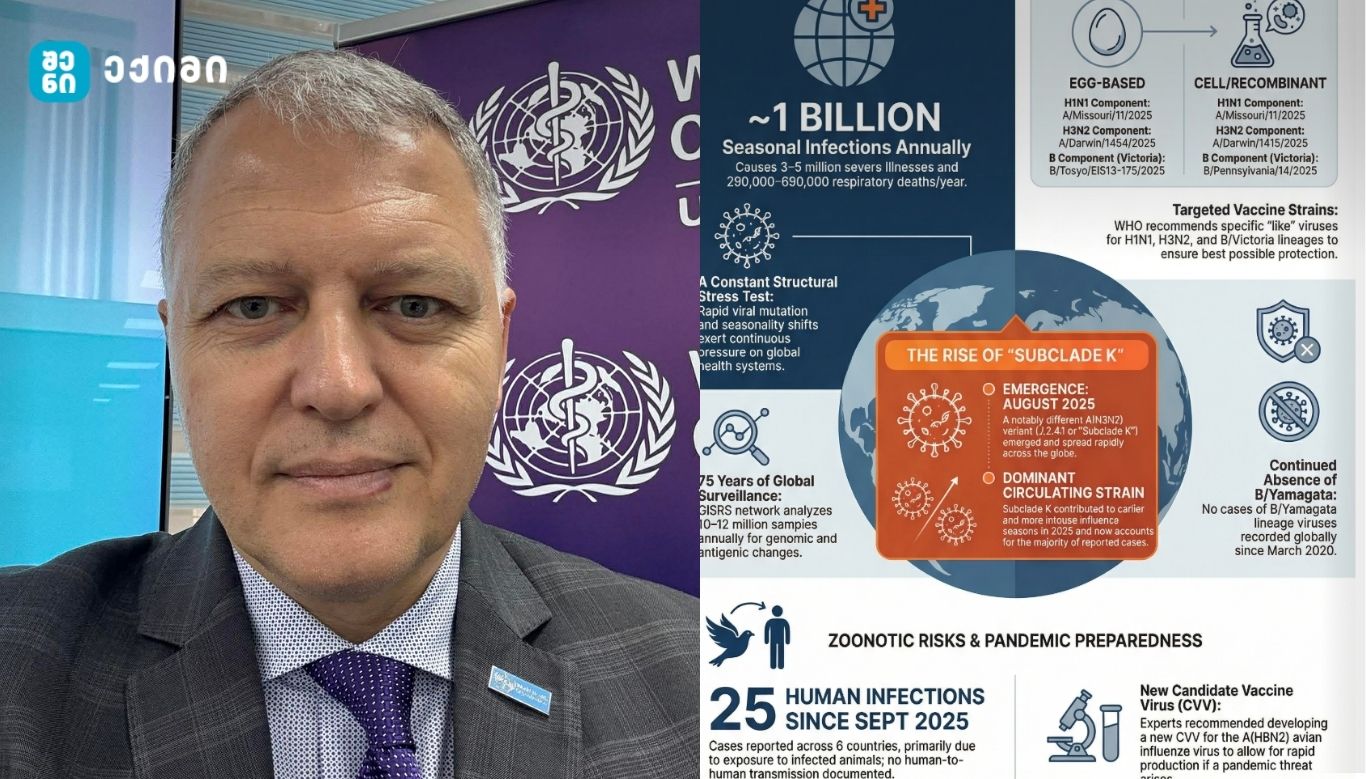
Professor Giorgi Pkhakadze, Chair of the Public Health Institute of Georgia (PHIG), commented on the global significance of these findings, stating:
“This study highlights an alarming trend worldwide, where we see COVID-19’s impact extending far beyond the acute phase of illness. The link between post-COVID infections and an increased risk of type 2 diabetes among children emphasizes that this is not just a temporary virus, but one with lasting consequences on public health. It’s crucial that healthcare systems globally prioritize monitoring and preventive strategies for children, ensuring we catch these complications early. Otherwise, we risk a wave of chronic diseases in the future.”
The Underlying Mechanisms Researchers believe the increased risk of diabetes is tied to the inflammatory response triggered by COVID-19.
This inflammation can affect the pancreas, where insulin is produced, leading to insulin resistance and disruptions in blood sugar regulation. Over time, these disruptions can develop into type 2 diabetes. The study also raises concerns that COVID-19 could act as a catalyst for diabetes in children who are already at risk due to obesity or other underlying health conditions.
Another factor that may contribute to the increased risk is the overall stress placed on the body by severe COVID-19 infections.
Children who required hospitalization or intensive care are particularly vulnerable, as their bodies are under greater strain, potentially accelerating the development of chronic conditions like diabetes.
Impact on Georgia’s Public Health System The implications of this study are not limited to the global stage; they are highly relevant for individual countries, including Georgia.
Professor Pkhakadze pointed out the urgent need for the Georgian healthcare system to respond to this emerging risk:
“In Georgia, this study should serve as a wake-up call for our healthcare professionals and policymakers. We need to be proactive in addressing the rising number of COVID-19 cases among children, particularly in terms of long-term monitoring for conditions like diabetes. Our healthcare system is already under strain, and without early intervention, we could see a significant increase in chronic illnesses like diabetes that will further burden the system.”
In Georgia, where the healthcare system is facing numerous challenges, the potential rise in pediatric diabetes cases could have serious long-term repercussions.
Given the increasing rates of childhood obesity and other risk factors already present in the population, COVID-19 could significantly compound the issue if preventive measures are not taken swiftly. Public Health Implications and Next Steps Globally, this study underscores the need for healthcare providers to implement post-COVID care protocols, especially for children.
Screening for diabetes should become a routine part of pediatric care for those who have recovered from COVID-19. Early detection of type 2 diabetes can lead to better outcomes, as it allows for prompt intervention and management.
For Georgia, Professor Pkhakadze emphasized that immediate action is required to mitigate the risk:
“This research aligns with the broader global challenges we are seeing, but it must also inform localized healthcare strategies in Georgia. We need to establish protocols for regular screening of children post-COVID, particularly those from vulnerable groups or with pre-existing conditions. The integration of pediatric diabetes management into our national healthcare strategy is essential. Our hospitals and clinics need to be equipped with the resources and training to tackle this issue effectively and ensure that children do not face preventable chronic diseases later in life.”
By implementing targeted screening and early interventions, healthcare systems in Georgia and elsewhere can help prevent the long-term complications of COVID-19, especially in vulnerable pediatric populations.
Moreover, ensuring that hospitals and primary care providers are aware of these risks and are equipped to manage them will be critical in preventing an epidemic of childhood diabetes in the wake of the pandemic. Conclusion The findings of the JAMA Network Open study should serve as a crucial warning to healthcare providers and policymakers around the world.
The long-term health consequences of COVID-19, particularly the increased risk of type 2 diabetes in children, must be taken seriously.
Vigilant monitoring, preventive care, and public health strategies will be essential in mitigating these risks and protecting the future health of children globally.
For countries like Georgia, the study’s implications are particularly pressing. With a healthcare system already grappling with limited resources, addressing this new wave of potential chronic illness will require swift and coordinated action.
By focusing on prevention and early intervention, healthcare providers can help safeguard the health of Georgia’s children and ensure a healthier future for the next generation.
Keywords: COVID-19, type 2 diabetes, children, JAMA Network, Giorgi Pkhakadze, PHIG, public health, Georgia, healthcare, long-term health impacts, pediatric diabetes https://jamanetwork.com/journals/jamanetworkopen/fullarticle/2824731