


COVID-19 Increases Risk of Heart Attack and Stroke for 3 Years After Infection A new study published in Arteriosclerosis, Thrombosis, and Vascular Biology reveals that individuals who contracted COVID-19 before vaccines were available face significantly higher risks of heart attacks, strokes, and even death for up to three years following infection.
The study also found that those with non-O blood types (A, B, or AB) are at an increased risk, further emphasizing the need for long-term care and monitoring of COVID-19 survivors. The findings carry serious implications for healthcare systems worldwide as they confront the long-term health effects of COVID-19 (1,2,3).
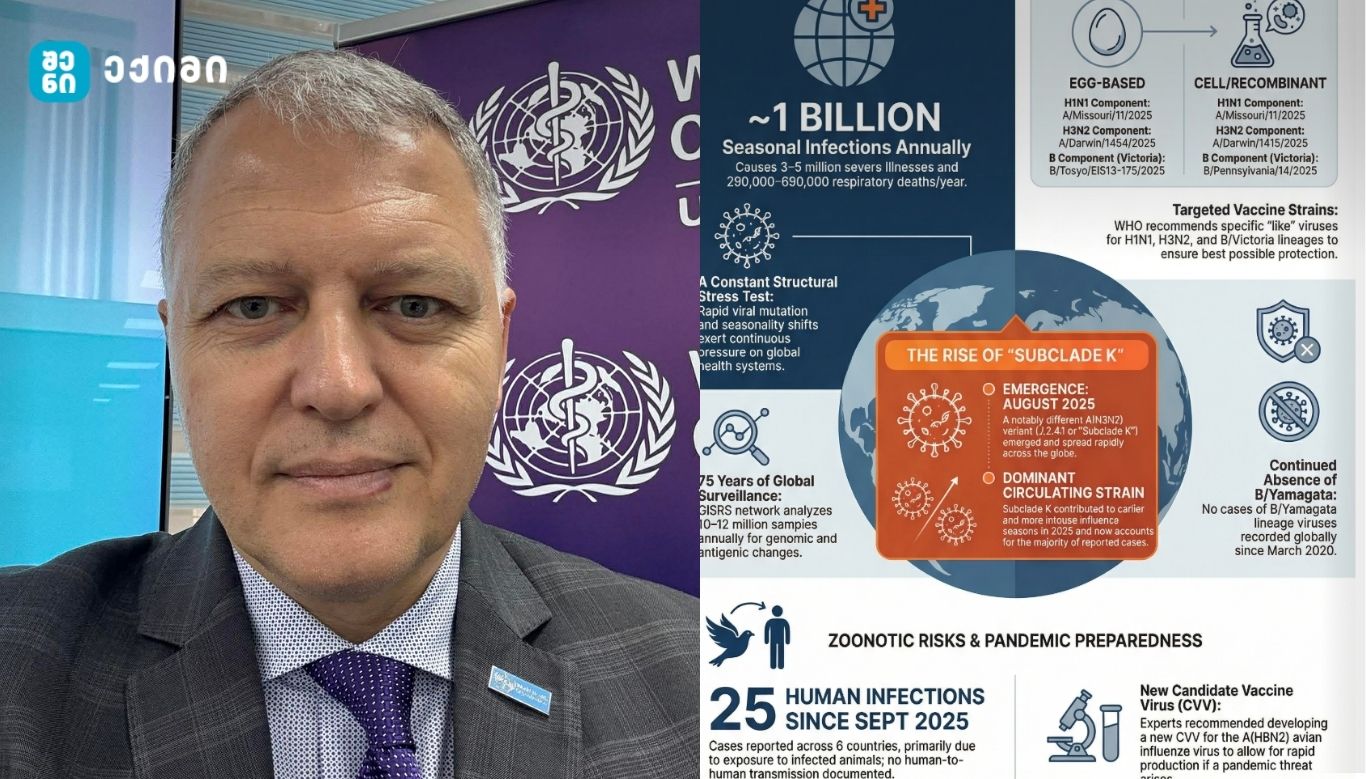
Professor Giorgi Pkhakadze, Chair of the Public Health Institute of Georgia (PHIG), stressed the importance of these findings for both the Georgian and European healthcare landscapes.
“This study is crucial for understanding the long-term impact of COVID-19 on cardiovascular health. As we begin to think beyond the immediate pandemic, we must focus on the hidden health crisis—post-COVID cardiovascular complications. In countries like Georgia, and across Europe, where healthcare systems are already under strain, this adds another layer of complexity.”
The Study:
Key Findings The research team, led by James Hilser, M.P.H., Ph.D. candidate at the University of Southern California’s Keck School of Medicine, analyzed data from the UK Biobank, a large-scale biomedical database. The study included 10,000 adults who tested positive for COVID-19 between February 1 and December 31, 2020, before vaccines became available. Of these, 2,000 had been hospitalized due to severe cases of COVID-19.
An additional 200,000 adults who had no history of COVID-19 during the same period were included for comparison (1).
The analysis revealed that individuals who contracted COVID-19 were more than twice as likely to suffer from heart attacks, strokes, or die within the nearly three-year follow-up period compared to those who did not contract the virus.
For those hospitalized with severe COVID-19, the risk was nearly four times greater. These findings persisted even in individuals without pre-existing cardiovascular conditions or Type 2 diabetes, highlighting the significant impact of the virus on cardiovascular health (2).
Professor Pkhakadze added:
“What is especially concerning is that the risk remains high for up to three years, even for those without prior heart conditions. This signals a long-term public health challenge that Georgia and neighboring European countries must address. Health systems need to pivot from emergency responses to long-term care strategies that include cardiovascular monitoring for COVID-19 survivors.”
Blood Type and Cardiovascular Risks Post-COVID A critical finding of the study was the relationship between blood type and cardiovascular complications after COVID-19. Individuals with non-O blood types (A, B, or AB) had a 65% higher risk of heart attacks and strokes compared to those with type O blood.
People with severe COVID-19 and non-O blood types experienced the highest cardiovascular risks. This suggests that genetic factors may influence an individual’s susceptibility to the virus’s long-term health effects (2).
Co-senior author Dr. Stanley Hazen, chair of cardiovascular and metabolic sciences at Cleveland Clinic, highlighted the global relevance of the findings:
“Worldwide, over a billion people have already experienced COVID-19 infection. The findings reported are not a small effect in a small subgroup. The results included nearly a quarter million people and point to a finding of global healthcare importance that may translate into an explanation for a rise in cardiovascular disease around the world.” (1)
Professor Pkhakadze commented:
“The genetic interaction of non-O blood types and cardiovascular risk is an area that warrants further research, especially in regions like Georgia, where population genetic studies are limited. Understanding this link could help in developing targeted healthcare policies and preventive measures, particularly for high-risk groups.”
Long-Term Healthcare Implications The study’s findings underscore the need for a shift in how healthcare systems manage COVID-19 survivors. COVID-19’s long-term effects are not confined to the respiratory system but have profound cardiovascular consequences. This realization calls for comprehensive follow-up care for those who have recovered, especially for those hospitalized or with non-O blood types (2).
The risk of cardiovascular events in people hospitalized with COVID-19, even those without prior heart disease or diabetes, was found to be comparable to other chronic conditions such as Type 2 diabetes or peripheral artery disease.
This suggests that COVID-19 may be considered a new risk factor for cardiovascular disease, which would require healthcare providers to initiate or accelerate cardiovascular disease prevention efforts in COVID-19 survivors (3).
Professor Pkhakadze emphasized the importance of proactive healthcare measures:
“The long-term cardiovascular impact of COVID-19 means that we must integrate continuous care models into our healthcare systems. Georgia, like many European countries, needs to prioritize cardiovascular screenings and preventive care for COVID-19 survivors, especially those who were hospitalized or have genetic risk factors. Ignoring these issues will only increase the burden on our healthcare system in the coming years.”
Implications for Georgia and Europe Professor Pkhakadze highlighted that the study’s findings should shape healthcare policies in Georgia and across Europe.
“We are seeing the long-term consequences of COVID-19, and they are severe. In Georgia, where many individuals contracted the virus before vaccines were available, the long-term cardiovascular risks present a significant challenge. We need a comprehensive strategy that includes monitoring COVID-19 survivors, particularly those with non-O blood types, and offering them regular cardiovascular screenings.”
He added:
“This study also has implications for European healthcare systems. Governments and healthcare providers must recognize that the pandemic’s effects are far from over. Long-term care, especially for high-risk groups, must be incorporated into national healthcare strategies.”
Limitations and Further Research Although the study provides valuable insights, it had limitations. The data used in the analysis pertained to individuals infected with the original strain of COVID-19 before vaccines became widely available, raising questions about how these findings apply to individuals infected with later variants or those who were vaccinated. Additionally, the majority of the participants were white, meaning that further research is necessary to determine if these results are applicable to more diverse populations (1).
Conclusion The UK Biobank study reveals that COVID-19 survivors face an increased risk of heart attack, stroke, and death for up to three years after infection, particularly those with non-O blood types or who were hospitalized. The study’s findings underline the importance of long-term cardiovascular care and monitoring for COVID-19 survivors to prevent future complications.
Professor Giorgi Pkhakadze concluded:
“The data from this study should serve as a wake-up call for governments and healthcare providers. COVID-19’s long-term effects on cardiovascular health are significant and must be addressed now. In Georgia and Europe, we must prepare for the long-term care of COVID-19 survivors, ensuring they receive the support and monitoring necessary to prevent further health crises.”
As the healthcare community continues to grapple with the long-term effects of COVID-19, these findings offer a roadmap for better managing the health of survivors. Whether through regular screenings, lifestyle interventions, or public health campaigns, proactive measures must be taken now to mitigate the long-term cardiovascular risks posed by COVID-19.
References:
1. Hilser J, Hazen S, Allayee H, et al. COVID-19 infection appeared to increase risk of heart attack & stroke up to 3 years later. Arteriosclerosis, Thrombosis, and Vascular Biology. 2024.
Available from: https://newsroom.heart.org/news/covid-19-infection-appeared-to-increase-risk-of-heart-attack-stroke-up-to-3-years-later
2. American Heart Association. COVID-19 infection appeared to increase risk of heart attack & stroke up to 3 years later. 2024. Available from: https://newsroom.heart.org/news/covid-19-infection-appeared-to-increase-risk-of-heart-attack-stroke-up-to-3-years-later
3. Hazen S, Hilser J, Das S, et al. Heart disease risk linked to COVID-19 infection, blood types, long-term cardiovascular effects. Arteriosclerosis, Thrombosis, and Vascular Biology. 2024. Available from: https://newsroom.heart.org/news/covid-19-infection-appeared-to-increase-risk-of-heart-attack-stroke-up-to-3-years-later