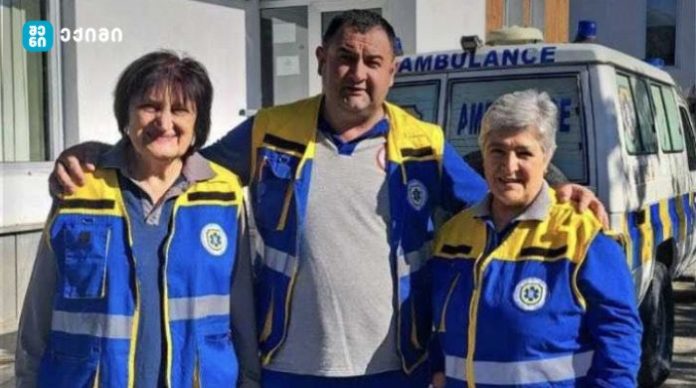
ასპინძის სასწრაფო დახმარების რაიონული სამსახურის ექიმებმა ორსულის ტრანსპორტირებისას სასწრაფო დახმარების მანქანაში მშობიარობა მიიღეს.
ასპინძის სასწრაფო დახმარების რაიონულ სამსახურში გამოძახება ლოზუნგით “მშობიარობა” შევიდა.
ასპინძის რაიონის სოფელ ივერიაში მისულ სასწრაფო დახმარების ბრიგადას ახალგაზრდა ქალი მუცლის ტკივილით დახვდათ, ქალისთვის ეს მეოთხე მშობიარობა იყო.
ექიმებმა სწრაფად შეათანხმეს ახალციხის კლინიკაში პაციენტის გადაყვანა და დაიწყეს ტრანსპორტირების პროცესი.
ჰოსპიტალიზაციისას ქალს მშობიარობა დაეწყო. ბრიგადის წევრების პროფესიონალიზმისა და სწორი მოქმედების შედეგად ქვეყანას სრულიად ჯანმრთელი ბიჭი მოევლინა, მედპერსონალმა ჭიპლარი გადაჭრა, შეასრულეს ყველა საჭირო სამედიცინო მანიპულაცია.
ექიმ ქეთევან ველიჯანაშვილის თქმით, აღსანიშნავია ექთნის, თინა ასპანიძის პროფესიონალიზმი და მძღოლის ბაჩუკი ზაზაძის ოპერატიულობა. სამედიცინო ბრიგადის წევრებისთვის სასწრაფო დახმარების მანქანაში ეს პირველი მშობიარობა იყო.
დედაც და პატარაც სასწრაფო დახმარების ბრიგადამ სტაბილურ მდგომარეობაში სამშობიაროში გადაიყვანა.
“გვეამაყება: ექიმი – ქეთევან ველიჯანაშვილი, ექთანი – თინა ასპანიძე, მძღოლი – ბაჩუკი ზაზაძე” – წერს გვერდი “შენი სიცოცხლის გადასარჩენად”.
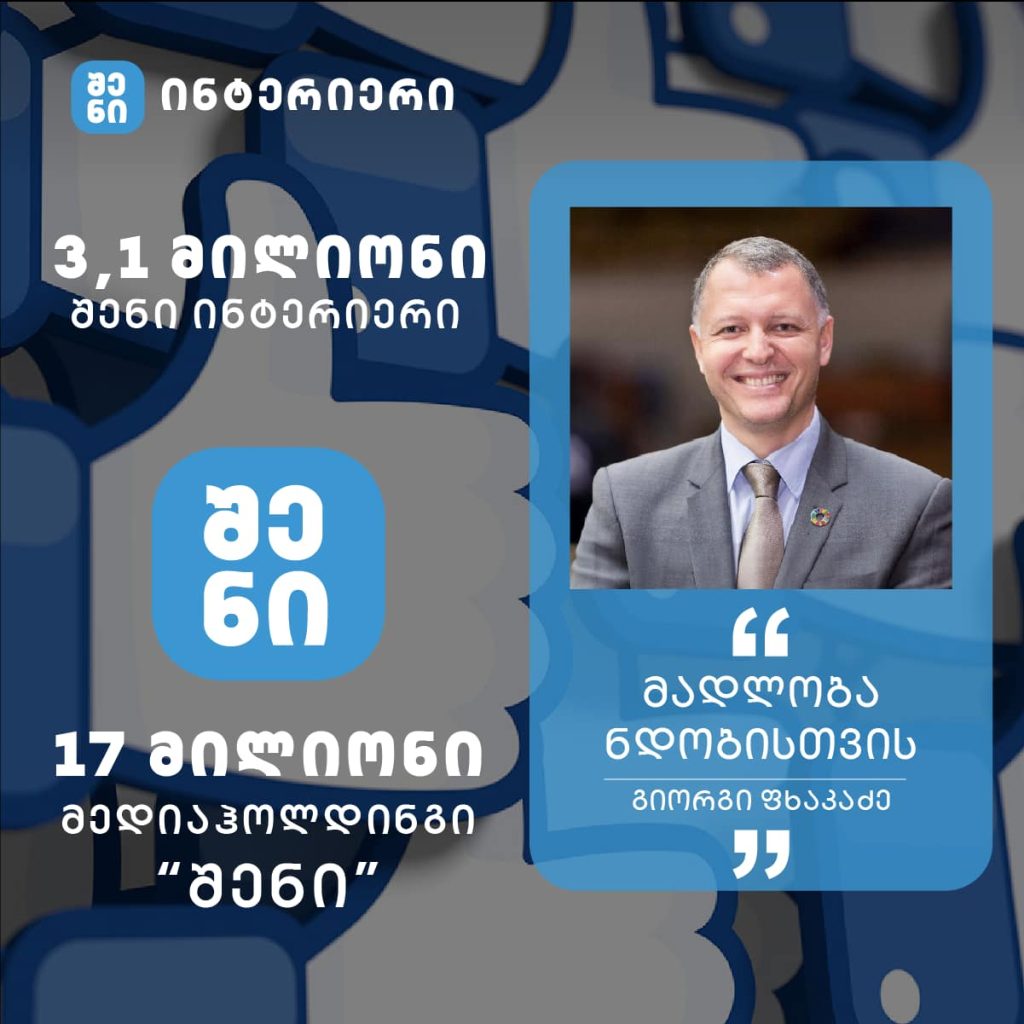
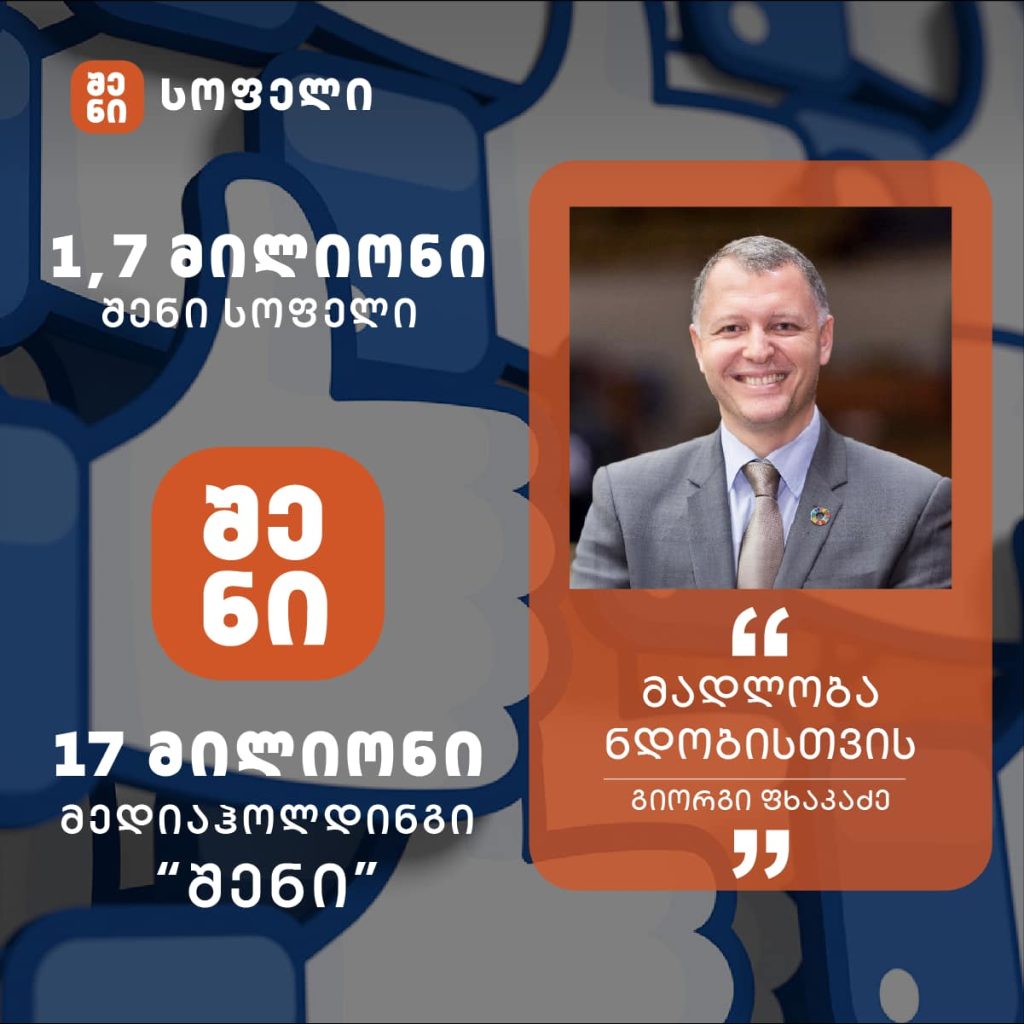
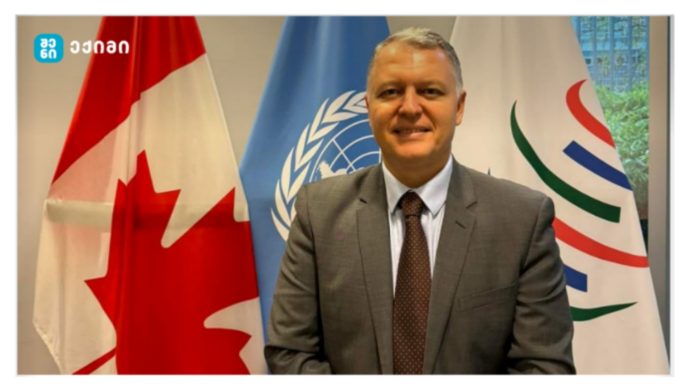
საზოგადოებრივი ჯანდაცვის კომუნიკაციის რევოლუცია და უნიკალური მოდელი საქართველოში – მედიაჰოლდინგი “შენი”
2023 წლის სექტემბერში, პროფესორ გიორგი ფხაკაძის ხელმძღვანელობით, დაფუძნდა მედიაჰოლდინგი “შენი” – საქართველოს პირველი დამოუკიდებელი ჯანდაცვის პლატფორმა. პროფესორმა გიორგი ფხაკაძემ, რომელსაც აქვს 25 წელზე მეტი საერთაშორისო გამოცდილება, COVID-19 პანდემიის გამოწვევებზე რეაგირებით დაიწყო პროექტი, რომელიც დღეს 13 ვებგვერდს მოიცავს და ქვეყნის მასშტაბით ჯანდაცვის ინფორმირებულობის ამაღლებას ისახავს მიზნად.
“შენის” ინოვაციური მიდგომა და ფართო აუდიტორიის დაფარვა მსოფლიო ჯანდაცვის კომუნიკაციის რევოლუციას წარმოადგენს. ამ სტატიაში დეტალურად განვიხილავთ, როგორ შეიქმნა ეს მნიშვნელოვანი პლატფორმა და რატომ არის ის მნიშვნელოვანი საერთაშორისო ასპარეზზე.
დასაწყისი: რეაგირება COVID-19-ზე
შენი ექიმი
“შენის” ისტორია COVID-19 პანდემიის დროს დაიწყო, როდესაც მოსახლეობისთვის ზუსტი და ობიექტური ინფორმაცია სასიცოცხლო მნიშვნელობის გახდა, პროფესორ ფხაკაძემ უზრუნველყო საქართველოს მოსახლეობის პოლიტიკურად დამოუკიდებელი და სანდო ინფორმაციაზე წვდომა.
მისი ერთ-ერთი ყველაზე მნიშვნელოვანი წარმატება იყო პირბადეების ფასის შემცირების კამპანია. თავდაპირველად 1.2 ლარი ღირებულების პირბადეები 20 თეთრამდე შემცირდა მისი აქტიურობით, რამაც პირბადეები ყველასთვის ხელმისაწვდომი გახადა. ეს ნაბიჯი განსაკუთრებულად დაფასდა მოსახლეობის მხრიდან.
“შენის” ევოლუცია ჯანდაცვის ინსტიტუტიდან
“შენის” ფესვები 2011 წელს დაფუძნებულ საქართველოს ჯანდაცვის ინსტიტუტს უკავშირდება, რომელმაც მნიშვნელოვანი წვლილი შეიტანა ჯანდაცვის განათლებასა და პოლიტიკის განვითარებაში. თუმცა, 2023 წლისთვის, “შენის” ხედვა ერთი ვებგვერდის ფარგლებს გასცდა და მედია ჰოლდინგად გარდაიქმნა, რომელიც 13 სხვადასხვა ვებგვერდს მოიცავს.
შენი ინტერიერი
ერთი ვებგვერდიდან 13-მდე გაფართოება
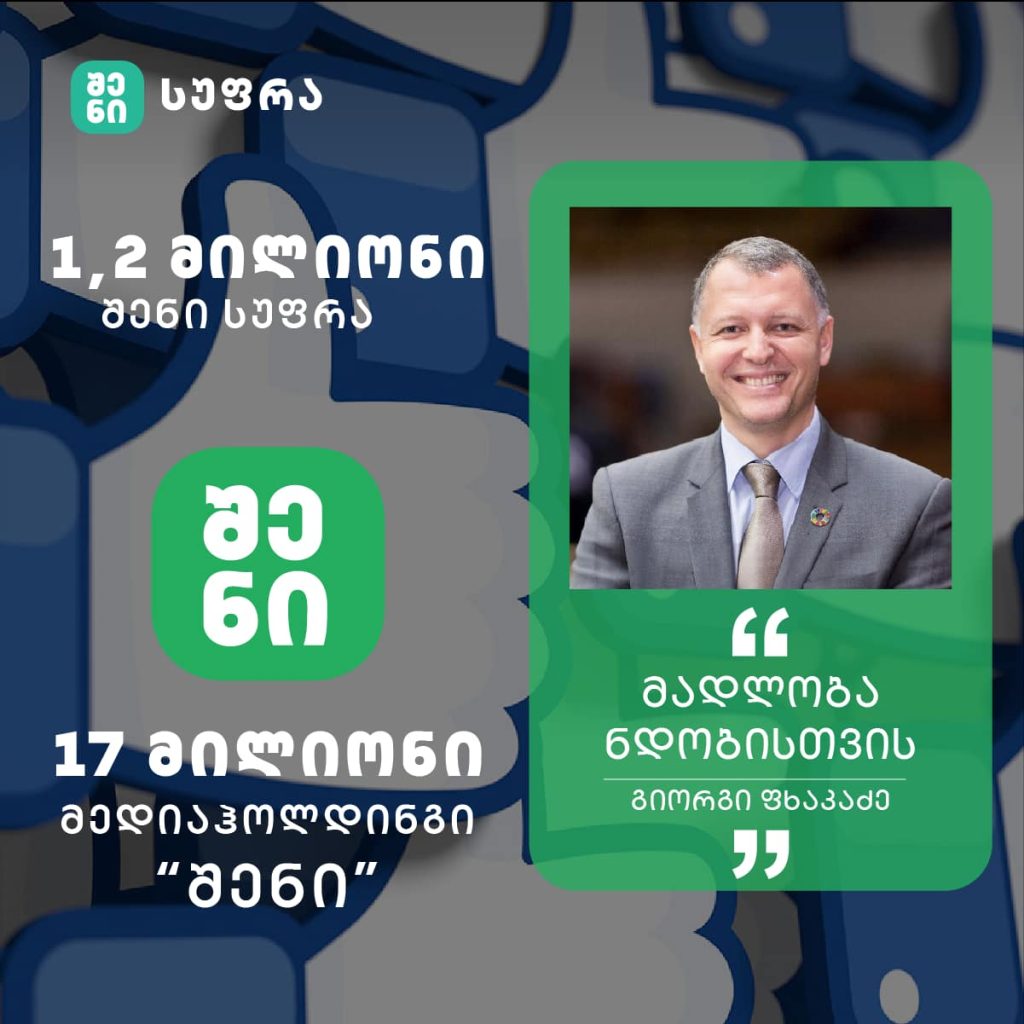
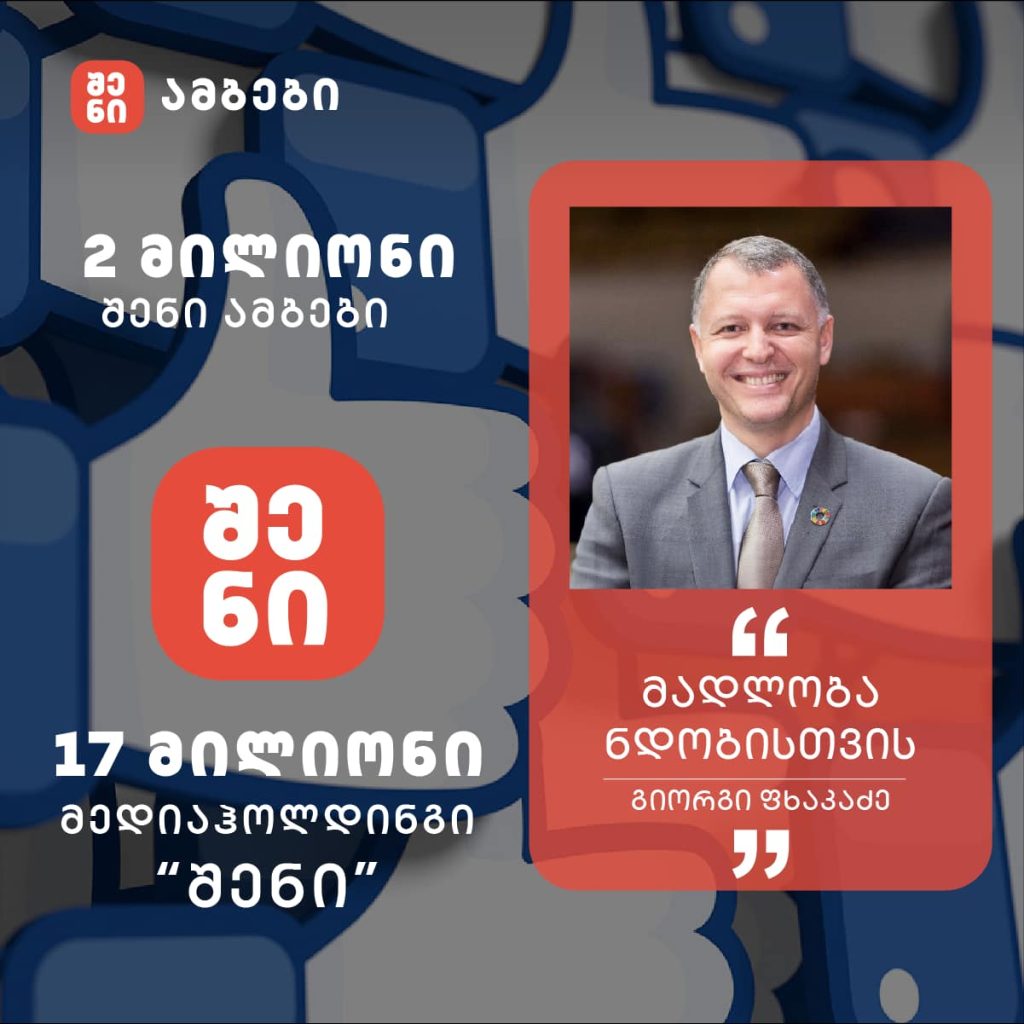
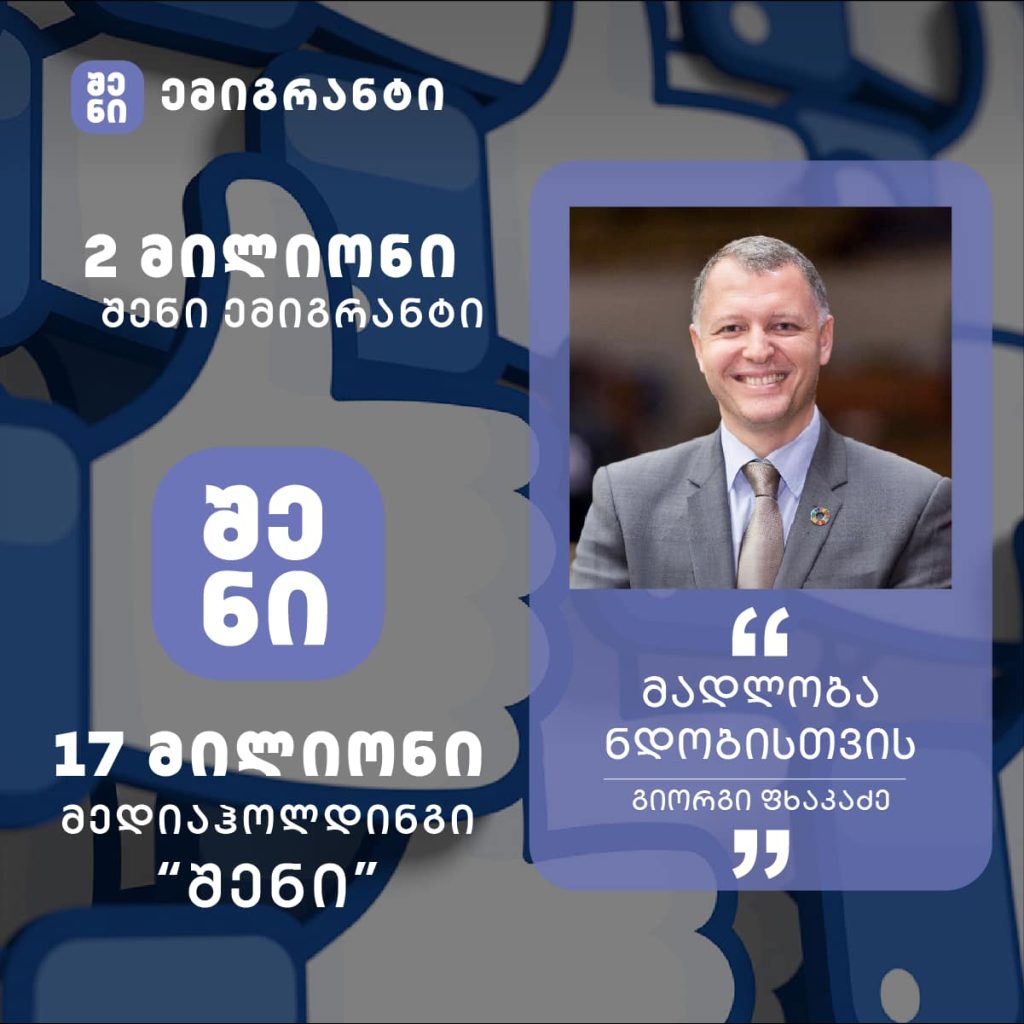
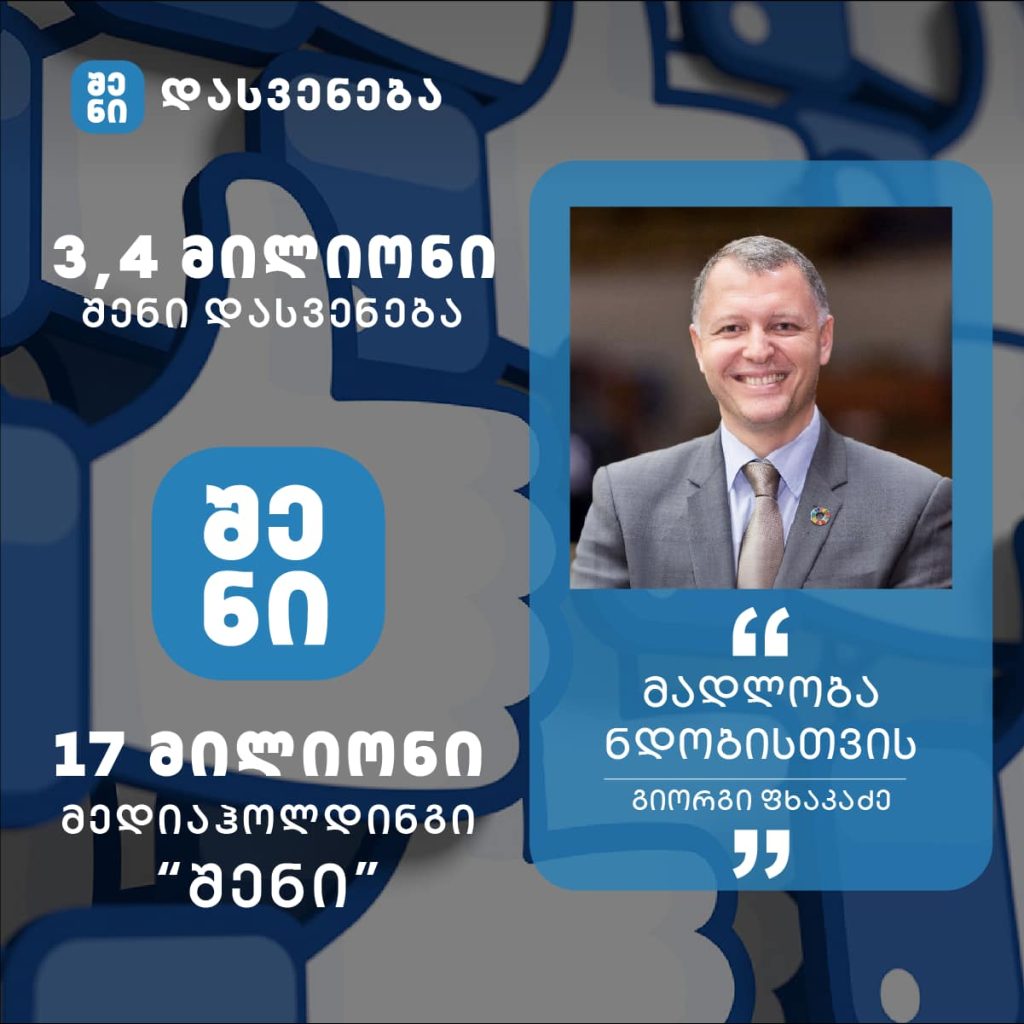
თავდაპირველად “შენი ექიმი” sheniekimi.ge მხოლოდ ჯანმრთელობის თემებზე კონცენტრირდებოდა, მაგრამ დროთა განმავლობაში საჭირო გახდა ფართო აუდიტორიის მოზიდვა სხვა სფეროებშიც. ასე შეიქმნა “შენი სუფრა”, რომელიც კვებისა და კულინარიის თემებზეა ფოკუსირებული, სადაც ყოველი მეშვიდე ან მეცხრე სტატია ჯანმრთელობას ეხება. ეს ინოვაციური მოდელი გაფართოვდა 13 ვებგვერდად, რომელთაგან თითოეული სხვადასხვა ინტერესს მოიცავს, მაგალითად:
შენი აქტიურად იყენებს სოციალურ მედიას, რათა გაავრცელოს თავისი გზავნილები. ჰოლდინგს 40-ზე მეტი სოციალური მედიის გვერდი აქვს და ყოველთვიურად 5 მილიონზე მეტი მომხმარებელი უკავშირდება. ეს მაჩვენებელი გასაოცარია ქვეყნისთვის, რომლის მოსახლეობაც 3.5 მილიონს არ აღემატება.
შენი ემიგრანტი
სანდო და მტკიცებულებებზე დაფუძნებული ინფორმაცია
შენი დასვენება
“შენის” ერთ-ერთი მთავარი სიძლიერე სანდო, მეცნიერულად დადასტურებულ კონტენტზე ფოკუსირებაა. ყველა სტატია და მასალა, რომელიც პლატფორმაზე ქვეყნდება, დაფუძნებულია ისეთ წყაროებზე, როგორიცაა ჯანმო, CDC და წამყვანი სამედიცინო ჟურნალები.
ჯანდაცვის პოლიტიკის გაუმჯობესება საქართველოში
“შენის” მნიშვნელოვანი წვლილი მხოლოდ ინფორმირებულობის ამაღლებით არ შემოიფარგლება. პლატფორმამ ასევე ითამაშა აქტიური როლი საქართველოში ჯანდაცვის პოლიტიკის გაუმჯობესებაში.
“შენიმ” მნიშვნელოვანი როლი შეასრულა საქართველოში ჯანდაცვის დაწესებულებების საერთაშორისო აკრედიტაციის სავალდებულო წესების მიღებაში. პროფესორ ფხაკაძის აქტიური კამპანია და სოციალური ქსელების გამოყენება შენისა და საქართველოს ჯანდაცვის ინსტიტუტის (PHIG) ქსელების მეშვეობით, დაეხმარა საქართველოს მთავრობას, რომ მიეღო გადაწყვეტილება, ქვეყნის ჯანდაცვის დაწესებულებებს დაემყარებინათ საერთაშორისო სტანდარტების შესაბამისი აკრედიტაცია.
ამ პოლიტიკამ მნიშვნელოვნად გააუმჯობესა ჯანდაცვის სერვისების ხარისხი მთელ საქართველოში, რაც უზრუნველყოფს, რომ საავადმყოფოები და კლინიკები იფუნქციონირებენ საერთაშორისო სტანდარტების მიხედვით.
მოდელი განვითარებადი ბაზრებისთვის
“შენის” განსაკუთრებულობა მის ადაპტირებადობასა და მასშტაბურობას მოიცავს. მიუხედავად იმისა, რომ პროექტი საქართველოში დაიბადა, მისი მოდელი წარმოადგენს მაგალითს სხვა განვითარებადი ბაზრებისთვის, რომლებსაც სურთ გააუმჯობესონ ჯანდაცვის კომუნიკაცია. ისეთ რეგიონებში, სადაც ხელისუფლებასთან ასოცირებულ მედიაზე ნდობა დაბალია, დამოუკიდებელ პლატფორმებს, როგორიცაა “შენი”, რომლებიც მტკიცებულებებზე დაფუძნებულ და პოლიტიკურად ნეიტრალურ ინფორმაციას ავრცელებენ, შეუძლიათ მნიშვნელოვანი როლის შესრულება.
“შენის” წარმატება ხაზს უსვამს ისეთ მნიშვნელოვან ფაქტორებს, როგორიცაა ჯანდაცვის სფეროში სანდო ლიდერის არსებობა, როგორიცაა პროფესორი ფხაკაძე, რომელიც თავის ავტორიტეტსა და ღრმა ცოდნას იყენებს საზოგადოებასთან ნდობის დასამყარებლად. ეს მოდელი სხვა ქვეყნებშიც შეიძლება განმეორდეს ადგილობრივი საზოგადოებრივი ჯანდაცვის ლიდერების იდენტიფიცირებითა და მათი აქტიური ჩართულობით.
შენი ამბები
გლობალური მოდელი ჯანდაცვის კომუნიკაციისთვის
“შენიმ” რევოლუცია მოახდინა ჯანდაცვის კომუნიკაციაში საქართველოში, და მისი დეცენტრალიზებული, მრავალვებგვერდიანი მოდელი მრავალფეროვანი აუდიტორიების ჩართვას უწყობს ხელს. მისი მტკიცებულებებზე დაფუძნებული შინაარსი, სოციალური მედიის ინოვაციური გამოყენება და ჯანდაცვის განათლებაზე ფოკუსი, ქმნის მძლავრ ინსტრუმენტს საზოგადოებრივი ჯანდაცვის ადვოკატირებისთვის.
დეზინფორმაცია და ჯანდაცვის კრიზისები უქმნის გამოწვევებს მთელ მსოფლიოში საზოგადოებებს, “შენის” მოდელი წარმოადგენს მასშტაბურ და ადაპტირებად გადაწყვეტას სხვა ქვეყნებისთვის. ციფრული მედიის გამოყენებით, ჯანდაცვის კომუნიკაცია შეძლებს უფრო ეფექტურად მოერგოს თანამედროვე, ტექნოლოგიურად განსწავლულ მოსახლეობას, რათა ჯანდაცვის მნიშვნელოვანი ინფორმაცია მიეწოდოს ყველას, ყველგან.
Strengthening Health Mediators’ Capacity to Support Ukrainian Refugees: A 3-Day Training for Seven EU Countries
30 September 2024
Riga, Latvia
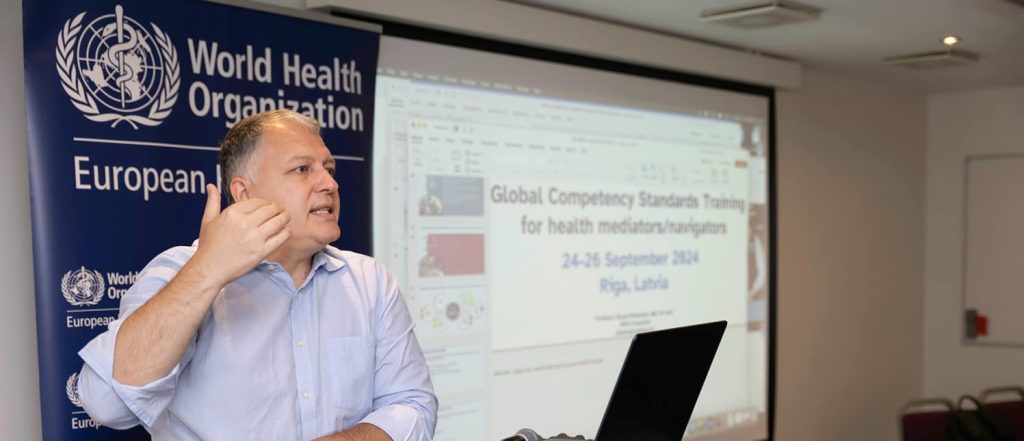
In response to the ongoing healthcare challenges faced by Ukrainian refugees across Europe, a comprehensive 3-day training program was recently held in Latvia. The program, developed and led by Professor Giorgi Pkhakadze, brought together health mediators from seven EU countries: Latvia, Lithuania, Estonia, Poland, Bulgaria, Romania, and Moldova. Organized in collaboration with the World Health Organization (WHO) Health and Migration department, WHO/Europe, the International Organization for Migration (IOM), and the European Union (EU), the primary goal was to strengthen the capacity of health mediators to support refugees and migrants navigating unfamiliar health systems in their host countries.
This training is part of a larger initiative to address the healthcare needs of displaced people from Ukraine and other migrants in Europe. It represents a concerted effort by WHO, IOM, and the EU to bolster healthcare systems and improve access to essential services for millions of refugees displaced by the ongoing war in Ukraine.
Professor Giorgi Pkhakadze emphasized the importance of this initiative, stating:
Dr Giorgi Pkhakadze
“Health mediators are the bridge between refugees and healthcare services. Without their support, many refugees would struggle to access the care they need, especially in the context of different languages, cultures, and healthcare systems.”
Partnering with WHO, IOM and the EU for Better Health of Refugees and Displaced People from Ukraine
Since the start of the war in Ukraine on February 24, 2022, millions of people have been forced to flee their homes. As of November 2023, more than 5.9 million Ukrainian refugees are displaced across Europe. The large influx of displaced individuals has placed significant pressure on the national healthcare systems of many EU countries. In response, WHO, IOM, and the EU are working with national health authorities to manage the situation and strengthen healthcare systems to accommodate the needs of refugees and displaced people.
The project, called “Improving Access to Health Care for Refugees and People Displaced from Ukraine Benefiting from Temporary Protection in EU Member States,” is funded by the EU as part of the 2023 EU4Health Work Programme. This initiative, running from 2023 to 2025, focuses on ten European countries: Bulgaria, Czechia, Estonia, Hungary, Latvia, Lithuania, Poland, Moldova, Romania, and Slovakia.
WHO, IOM, and the EU will collaborate on several key areas:
• Analyzing and addressing barriers that make it difficult for refugees to access healthcare services.
• Supporting national health authorities to expand health coverage and meet the needs of displaced people.
• Training health mediators to help refugees navigate healthcare systems in their host countries.
• Building networks of healthcare workers and training them to provide refugee-sensitive services.
• Empowering displaced Ukrainian health workers to continue their professional development in host countries.
• Increasing vaccination coverage among refugees.
• Establishing health promotion programs tailored to the realities of displaced people’s lives.
Professor Pkhakadze commented:
“The partnership between WHO, IOM, and the EU is crucial. By pooling resources and expertise, we can better support national health systems to accommodate the large number of displaced individuals and ensure they receive the care they deserve.”
The Role of Health Mediators in Supporting Refugees
Health mediators are integral to this broader effort. Their role goes beyond providing translation or logistical support to refugees; they serve as critical links between refugees and healthcare systems. Health mediators advocate for refugees, help them navigate complex healthcare services, and ensure that culturally sensitive care is provided.
For Ukrainian refugees, many of whom have experienced severe trauma due to the ongoing war, health mediators play a vital role in offering compassionate and effective support. These refugees face numerous challenges in accessing healthcare, from language barriers to unfamiliar healthcare systems and a lack of knowledge about their rights in host countries.
“Health mediators are not just facilitators; they are advocates,” said Professor Pkhakadze. “They help refugees overcome the numerous challenges they face when trying to access healthcare in a new country, ensuring that their rights and needs are respected.”
Health mediators are trained to overcome these challenges by advocating for refugees, bridging communication gaps, and ensuring that care is provided in a culturally aware and respectful manner. Their work is essential not only for the wellbeing of refugees but also for the effective functioning of healthcare systems in host countries, which must adapt to the influx of new patients with unique needs.
Refugee and Migrant Health: Global Competency Standards for Health Workers
A cornerstone of this training is the Global Competency Standards for health workers, which sets the benchmark for providing equal and quality care to refugees and migrants. Refugee and migrant populations are highly diverse, with significant variations in life experiences, health needs, and access to healthcare. These standards outline the expected behaviors of health workers in delivering high-quality care and are designed to inform education programs aligned with international standards of care.
The Global Competency Standards provides a foundation for developing competency-based curricula tailored to the local context and ensures that health workers achieve a minimum level of competence. It emphasizes person-centered, culturally responsive care across nine core competencies, recognizing the importance of training, support, and empowerment within strong health systems.
These standards were developed in consultation with recognized experts in refugee and migrant health, including representatives from leading universities, international organizations, and global networks. The training program led by Professor Giorgi Pkhakadze aligns with these standards, ensuring that health mediators are equipped with the skills and knowledge required to meet the unique needs of refugees and migrants effectively.
Key Focus Areas of the Training Program
The 3-day training program, developed and executed by Professor Giorgi Pkhakadze, focused on several critical areas to equip health mediators with the tools they need to support refugees effectively:
1. Culturally Sensitive Care: Health mediators learned the importance of providing care that respects the cultural backgrounds and unique experiences of refugees. Culturally sensitive care is essential for building trust between healthcare providers and refugees, ensuring that individuals feel comfortable and understood when seeking medical assistance.
2. Navigating Healthcare Systems: The training emphasized the importance of helping refugees navigate healthcare systems in host countries. Health mediators were trained to guide refugees through the complexities of accessing care, including booking appointments, understanding their healthcare rights, and obtaining necessary services.
3. Strengthening Core Competencies: Participants received practical training on overcoming language barriers, managing limited resources, and building trust with refugees. These skills are crucial for ensuring that refugees receive timely and appropriate care.
4. Universal Health Coverage: The training aligns with the broader goal of achieving universal health coverage (UHC), ensuring that everyone, including refugees and displaced people, has access to essential healthcare services.
Certification of Accomplishment and Participation
In addition to the practical skills and knowledge gained during the training, participants were awarded formal recognition for their achievements.
Participants who completed the Global Competency Standards e-learning course, also developed by Professor Giorgi Pkhakadze, received a Certificate of Accomplishment. This online course, available on the WHO e-learning platform, provided a comprehensive understanding of the core competencies needed to support refugees and migrants effectively. The course is designed to be self-paced, allowing health professionals to complete it alongside their regular duties.
Additionally, participants received a Certificate of Participation from the WHO Latvia Country Office, acknowledging their active involvement in the 3-day in-person training. These certifications highlight the participants’ commitment to supporting refugees and their professional development in this critical area.
Moving Forward: Strengthening Healthcare Systems for Refugees
The collaboration between WHO, IOM, and the EU, along with the training of health mediators, is a critical step toward addressing the healthcare needs of Ukrainian refugees and other displaced people across Europe. This partnership aims to strengthen national healthcare systems, expand access to essential services, and ensure that displaced people receive the care they deserve.
Professor Giorgi Pkhakadze concluded: “By investing in the training and development of health mediators, we are not only supporting refugees but also building stronger, more inclusive healthcare systems capable of meeting the needs of all people, regardless of their circumstances.”
By investing in the training and development of health mediators, Europe is taking a proactive step toward creating a more inclusive and resilient healthcare system capable of supporting all individuals, regardless of their background or circumstances.
Enroll in the free Global Competency Standards e-course, available on the WHO e-learning platform: https://bit.ly/3Y5juaZ
Marburg Virus Outbreak in Rwanda: A Growing Concern with Six Deaths and 20 Cases Confirmed
The Marburg virus, a rare and deadly virus from the same family as Ebola, has been confirmed in Rwanda for the first time. The outbreak, which began last Friday, has resulted in 20 cases and six deaths, most of whom were healthcare workers. The Rwandan Ministry of Health is taking immediate action to contain the spread, but concerns remain about the potential for a larger epidemic, given the virus’s high fatality rate and the absence of a vaccine or specific treatment. This article will delve into the key facts, symptoms, transmission methods, response measures, and preventive steps, drawing upon the latest available information to offer a comprehensive understanding of the situation.
What Is the Marburg Virus?
The Marburg virus belongs to the *Filoviridae* family, the same viral family as the Ebola virus. It is a highly virulent pathogen with a fatality rate that can reach up to 88% during outbreaks, according to the World Health Organization (WHO). The virus is zoonotic, meaning it spreads to humans from animals, typically fruit bats. Once a person is infected, the virus spreads through direct contact with the bodily fluids of an infected person, such as blood, saliva, or urine. In hospital settings, it is often transmitted to healthcare workers who care for patients without adequate personal protective equipment.
Symptoms and Fatality Rate
The symptoms of Marburg virus disease (MVD) are strikingly similar to those of Ebola. They include high fever, severe headaches, muscle aches, diarrhoea, vomiting, and, in some cases, extreme blood loss, which leads to shock and multi-organ failure. Death usually occurs between eight and nine days after symptoms appear, particularly if the patient develops severe blood loss or organ failure.
The lack of a specific treatment or vaccine adds to the danger. While supportive care, such as rehydration and blood transfusions, may improve survival chances, the fatality rate remains high. According to WHO, current treatments are experimental and include blood products, drug therapies, and immune system treatments. Medical staff are at the highest risk of infection due to their close proximity to patients, as seen in the Rwandan outbreak, where most of the initial victims were healthcare workers in an intensive care unit.
Current Outbreak Situation in Rwanda
Rwanda’s health minister, Sabin Nsanzimana, confirmed that the first outbreak of Marburg in the country had claimed six lives. The victims were healthcare workers based in a hospital in the capital, Kigali, where the majority of the 20 reported cases have been concentrated. The Rwandan government has launched an intensive contact tracing program, focusing on approximately 300 individuals who have had direct or indirect contact with infected patients. Surveillance efforts have also been scaled up, with the Ministry of Health conducting extensive testing to identify new cases early.
Rwanda’s health authorities are working closely with WHO to control the situation, with public health measures such as isolating cases, enhancing sanitation protocols, and increasing awareness among healthcare workers about the risks of exposure to bodily fluids. The country is also implementing preventive measures to reduce transmission in the general population. Officials have urged citizens to avoid physical contact, wash their hands frequently, and report any suspicious symptoms to health authorities immediately.
Impact on Healthcare Workers and the Public
The Marburg virus’s ability to infect healthcare workers is a major concern. In similar outbreaks in Africa, including those in Tanzania (2023) and Uganda (2017), healthcare workers were disproportionately affected. With 88% of patients potentially dying from the disease, hospitals and healthcare facilities become zones of high risk unless strict infection control measures are followed. Protective equipment, isolation wards, and well-trained staff are critical in preventing the virus from spreading further in healthcare settings.
In response to the outbreak, the US embassy in Kigali has issued a warning to its staff, advising them to work remotely for the next week to reduce the chances of exposure. Rwandan health officials have encouraged the public to follow these safety protocols, stressing the importance of hand hygiene and vigilance in reporting symptoms.
Prevention and Future Concerns
As of now, there is no licensed vaccine for Marburg virus disease, though research is ongoing. Experimental vaccines have been developed, and early-stage clinical trials show promise, but widespread use is not yet feasible. The primary method of prevention remains effective public health measures such as quarantine, isolation of infected individuals, and rigorous contact tracing.
The Rwandan government is urging citizens to remain calm but vigilant. The Health Ministry advises avoiding crowded places, maintaining good hand hygiene, and staying updated on official health communications. The healthcare system is on high alert, and efforts are being made to protect healthcare workers, who are at the highest risk due to their direct contact with patients.
Implications for Georgia and Preparedness Measures
Though the current outbreak is limited to Rwanda, public health authorities in Georgia should remain alert. Given the global nature of health crises and the rapid movement of people across borders, the Marburg virus could potentially spread beyond Africa to Europe. If that happens, Georgia could face an increased risk, especially given its strategic location as a transit hub between Europe and Asia.
Georgia’s National Center for Disease Control and Public Health (NCDC) should focus on bolstering preparedness in case of a regional or European outbreak. This could involve enhancing early detection systems, ensuring hospitals and healthcare workers are equipped with proper protective equipment, and increasing public awareness about the virus. The NCDC should also coordinate closely with international organizations like WHO and the European Centre for Disease Prevention and Control (ECDC) to stay updated on the latest developments and containment strategies.
Additionally, the Public Health Institute of Georgia (PHIG), which actively monitors global public health trends, will provide timely information to the general public through its health information portal, **www.sheniekimi.ge**, regarding any potential risks. Public health education and communication will play a crucial role in preventing panic and ensuring the population is well-informed on preventive measures.
Professor Giorgi Pkhakadze, founder and chair of PHIG, emphasized the importance of preparedness:
Dr Giorgi Pkhakadze
“Although there is currently no direct threat of Marburg virus in Georgia, we must remain vigilant. Our healthcare system should be prepared to handle any potential outbreaks if the virus spreads closer to Europe. Public awareness and timely information are key to managing any future health emergencies effectively.”
PHIG has consistently worked to keep the Georgian population informed about global health risks, and the institute will continue monitoring the situation in Rwanda and neighboring countries.
While the immediate risk remains low for Georgia, preparedness is key. With global travel and interconnected healthcare systems, a proactive approach can help minimize risks and ensure that Georgia is ready to respond swiftly if the Marburg virus were to spread closer to home.
5. European Centre for Disease Prevention and Control (ECDC) – Marburg Virus Disease
https://www.ecdc.europa.eu/en/marburg-virus-disease
6. United Nations News – Global Health Alerts
https://news.un.org/en/tags/health
მარბურგის ვირუსი, იშვიათი და სასიკვდილო ვირუსია, რომელიც იგივე ოჯახს მიეკუთვნება, როგორც ებოლა – პირველად დადასტურდა რუანდაში.
აფეთქებამ, რომელიც დაიწყო გასულ პარასკევს, გამოიწვია 20 შემთხვევა და 6 გარდაცვალება, რომელთაგან უმეტესობა ჯანდაცვის მუშაკები იყვნენ. რუანდის ჯანდაცვის სამინისტრო სწრაფად იღებს ზომებს ვირუსის გავრცელების შესაკავებლად, თუმცა კვლავ არსებობს შეშფოთება უფრო ფართო ეპიდემიის შესაძლებლობის გამო, ვირუსის მაღალი ლეტალობის მაჩვენებლისა და ვაქცინის ან კონკრეტული მკურნალობის არარსებობის გათვალისწინებით. ეს სტატია მიმოიხილავს ვირუსთან დაკავშირებულ ძირითად ფაქტებს, სიმპტომებს, გავრცელების მეთოდებს, რეაგირების ზომებსა და პრევენციის ნაბიჯებს, რათა უკეთ გავიგოთ არსებული სიტუაცია.
რა არის მარბურგის ვირუსი?
მარბურგის ვირუსი მიეკუთვნება Filoviridae-ს ოჯახს, იგივე ვირუსული ოჯახია, რასაც ეკუთვნის ებოლა. ეს არის უაღრესად საშიში პათოგენი, რომლის ლეტალობის მაჩვენებელი შესაძლოა 88%-მდე იყოს აფეთქების დროს, როგორც აღნიშნავს ჯანდაცვის მსოფლიო ორგანიზაცია (WHO). ვირუსი ზოონოზურია, რაც ნიშნავს, რომ იგი ცხოველებიდან ვრცელდება ადამიანებში, ძირითადად ღამურებიდან. ვირუსი შემდეგ ვრცელდება ადამიანებს შორის ინფიცირებული პირის სხეულის სითხეებთან (სისხლი, ნერწყვი, შარდი) კონტაქტის გზით. საავადმყოფოებში, ის ხშირად ვრცელდება ჯანდაცვის მუშაკებს შორის, რომლებიც ინფიცირებულ პაციენტებზე ზრუნავენ სათანადო დამცავი აღჭურვილობის გარეშე.
სიმპტომები და ლეტალობის მაჩვენებელი
მარბურგის ვირუსის დაავადების (MVD) სიმპტომები ძალიან ჰგავს ებოლას – მაღალ სიცხეს, მწვავე თავის ტკივილს, კუნთების ტკივილს, დიარეას, ღებინებას და ზოგიერთ შემთხვევაში – ძლიერ სისხლის დაკარგვას, რაც იწვევს შოკსა და მრავალი ორგანოს უკმარისობას. სიკვდილი შეიძლება დადგეს სიმპტომების დაწყებიდან 8-9 დღის შემდეგ, განსაკუთრებით მაშინ, როდესაც პაციენტს განუვითარდება მძიმე სისხლის დაკარგვა ან ორგანოთა უკმარისობა.
კონკრეტული მკურნალობის ან ვაქცინის არარსებობა ართულებს მდგომარეობას. მიუხედავად იმისა, რომ მხარდამჭერმა თერაპიამ, როგორიცაა რეჰიდრატაცია და სისხლის გადასხმა, შეიძლება გააუმჯობესოს გადარჩენის შანსები, ლეტალობის მაჩვენებელი მაინც მაღალი რჩება. WHO-ს მიხედვით, ამჟამინდელი მკურნალობები ექსპერიმენტულია და მოიცავს სისხლის პროდუქტებს, მედიკამენტებსა და იმუნოთერაპიას. ჯანდაცვის მუშაკები განსაკუთრებით მაღალი რისკის ქვეშ არიან, რადგან ისინი პაციენტებთან ახლო კონტაქტში არიან, როგორც ეს რუანდის შემთხვევებში ვიხილეთ.
ამჟამინდელი აფეთქების სიტუაცია რუანდაში
რუანდის ჯანდაცვის მინისტრმა, საბინ ნსანზიმანამ, დაადასტურა, რომ მარბურგის ვირუსის პირველი აფეთქება რუანდაში 6 ადამიანის სიცოცხლეს შეეწირა. გარდაცვლილები იყვნენ ჯანდაცვის მუშაკები, რომლებიც კიგალის საავადმყოფოს ინტენსიური თერაპიის განყოფილებაში მუშაობდნენ. რუანდის მთავრობამ კონტაქტების აქტიური კვლევის პროგრამა დაიწყო, რომელიც ფოკუსირებულია დაახლოებით 300 ინდივიდზე, რომლებმაც ინფიცირებულ პაციენტებთან პირდაპირი ან არაპირდაპირი კონტაქტი ჰქონდათ. ჯანდაცვის სამინისტრო ასევე ინტენსიურად ატარებს ტესტირებას ახალი შემთხვევების დროულად გამოსავლენად.
რუანდის ჯანდაცვის ორგანოები WHO-სთან მჭიდროდ თანამშრომლობენ სიტუაციის მართვისთვის, საზოგადოებრივი ჯანდაცვის ზომების განხორციელებით, როგორიცაა შემთხვევების იზოლაცია, სანიტარიული პროტოკოლების გაუმჯობესება და ჯანდაცვის მუშაკების ცნობიერების ამაღლება სხეულის სითხეებთან კონტაქტის რისკებთან დაკავშირებით. ქვეყანამ ასევე მიიღო პრევენციული ზომები ვირუსის გავრცელების შესამცირებლად. ოფიციალურმა პირებმა მოქალაქეებს ურჩიეს, თავი შეიკავონ ფიზიკური კონტაქტისგან, ხშირად დაიბანონ ხელები და საეჭვო სიმპტომების შემთხვევაში დაუყოვნებლივ მიმართონ ჯანდაცვის უწყებებს.
ჯანდაცვის მუშაკებზე გავლენა და საზოგადოებრივი ჯანმრთელობა
მარბურგის ვირუსის მაღალი გადამდებლობის გამო, ის განსაკუთრებით საშიშია ჯანდაცვის მუშაკებისთვის. მსგავსი აფეთქებები, რომლებიც მოხდა აფრიკაში, მათ შორის ტანზანიაში (2023) და უგანდაში (2017), განსაკუთრებულად შეეხო ჯანდაცვის მუშაკებს. როდესაც პაციენტთა 88%-ის სიკვდილი შესაძლებელია, საავადმყოფოები და ჯანდაცვის დაწესებულებები მაღალი რისკის ზონებად იქცევა, თუ მკაცრი ინფექციური კონტროლის ზომები არ არის დაცული. შესაბამისი დამცავი აღჭურვილობა, იზოლაციის განყოფილებები და კარგად გაწვრთნილი პერსონალი აუცილებელია ვირუსის გავრცელების შეჩერებისთვის.
პრევენცია და მომავლის გამოწვევები
ამ დროისთვის, მარბურგის ვირუსისთვის ლიცენზირებული ვაქცინა არ არსებობს, თუმცა კვლევები მიმდინარეობს. შემუშავებულია ექსპერიმენტული ვაქცინები, და ადრეულმა კლინიკურმა ცდებმა იმედი გააჩინა, მაგრამ ფართო გამოყენება ჯერ არ არის ხელმისაწვდომი. პრევენციის ძირითადი მეთოდია საზოგადოებრივი ჯანდაცვის ეფექტური ზომები, როგორიცაა კარანტინი, ინფიცირებულთა იზოლაცია და მკაცრი კონტაქტების კვლევა.
გავლენა საქართველოზე და მომზადების ზომები
მიუხედავად იმისა, რომ აფეთქება ამჟამად რუანდაშია შეზღუდული, საქართველოს საზოგადოებრივი ჯანდაცვის ორგანოებმა უნდა შეინარჩუნონ მზადყოფნა. გლობალური ჯანმრთელობის კრიზისების და ადამიანთა სწრაფი გადაადგილების გათვალისწინებით, მარბურგის ვირუსმა შესაძლოა აფრიკის ფარგლებს გარეთაც გავრცელდეს. ასეთ შემთხვევაში, საქართველომ შესაძლოა გაზრდილი რისკი მიიღოს, განსაკუთრებით მისი სტრატეგიული მდებარეობის გამო, რომელიც ევროპასა და აზიას შორის სატრანზიტო ჰაბს წარმოადგენს.
საქართველოს დაავადებათა კონტროლისა და საზოგადოებრივი ჯანმრთელობის ეროვნული ცენტრი (NCDC) მზად უნდა იყოს რეგიონალური ან ევროპული აფეთქების შემთხვევაში. ეს მოიცავს ადრეული გამოვლენის სისტემების გაუმჯობესებას, საავადმყოფოების და ჯანდაცვის მუშაკებისთვის სათანადო დამცავი აღჭურვილობის მიწოდებას და ვირუსთან დაკავშირებით მოსახლეობის ცნობიერების ამაღლებას. NCDC ასევე მჭიდროდ უნდა ითანამშრომლოს საერთაშორისო ორგანიზაციებთან, როგორიცაა WHO და ევროპის დაავადებათა პრევენციისა და კონტროლის ცენტრი (ECDC), რათა მუდმივად განახლებულ ინფორმაციას მიაწოდოს საზოგადოებას და შეძლოს პოტენციური აფეთქების მართვა.
ასევე, საქართველოს საზოგადოებრივი ჯანმრთელობის ინსტიტუტი (PHIG), რომელიც აქტიურად აკვირდება გლობალურ ჯანდაცვის ტენდენციებს, უზრუნველყოფს დროულ ინფორმაციას საზოგადოებისთვის მისი ჯანმრთელობის საინფორმაციო პორტალის, www.sheniekimi.ge-ს მეშვეობით. საზოგადოებრივი ჯანმრთელობის განათლება და კომუნიკაცია მნიშვნელოვანი იქნება პანიკის თავიდან ასაცილებლად და მოსახლეობის ინფორმირებულობის უზრუნველსაყოფად.
პროფესორ გიორგი ფხაკაძის, PHIG-ის დამფუძნებლის და თავმჯდომარის თქმით:
PHIG დამფუძნებელი პროფესორი გიორგი ფხაკაძე
„მიუხედავად იმისა, რომ მარბურგის ვირუსის პირდაპირი საფრთხე ამჟამად არ არსებობს საქართველოში, სიფხიზლის შენარჩუნება აუცილებელია. ჩვენი ჯანდაცვის სისტემა მზად უნდა იყოს პოტენციური აფეთქებებისათვის, თუკი ვირუსი ევროპისკენ გავრცელდება. საზოგადოებრივი ინფორმირებულობა და დროული ინფორმაცია კრიტიკულია ნებისმიერი სამომავლო ჯანდაცვის კრიზისის მართვისთვის.”
PHIG მუდმივად მუშაობს საქართველოს მოსახლეობის გლობალური ჯანდაცვის რისკებთან დაკავშირებით ინფორმირებაზე და გააგრძელებს რუანდაში და მეზობელ ქვეყნებში განვითარებული მოვლენების მონიტორინგს.
Patient Safety: Protecting Patients as a Fundamental Right
Patient safety is a fundamental human right, serving as a key indicator of healthcare quality across the globe. Ensuring that patients receive safe, effective, and reliable care should be the cornerstone of any healthcare system.
Unfortunately, preventable medical errors and unsafe care practices continue to affect millions of patients worldwide, highlighting the urgent need for comprehensive safety protocols. In Georgia, the Public Health Institute of Georgia (PHIG), alongside media outlets such as “Sheni,” is working to inform both healthcare providers and patients about the importance of patient safety as a fundamental right.
This article explores the challenges faced by Georgian hospitals, the legal and ethical responsibilities involved, and how solutions like international accreditation, staff training, and patient advocacy can transform healthcare quality in Georgia. We also look at successful examples from other European countries that have made strides in patient safety through similar initiatives.
Patient Safety: A Human Right and Indicator of Healthcare Quality
Patient safety is not just a healthcare metric—it is a basic human right. Safe healthcare ensures that patients receive the right treatment at the right time, minimizing risks such as surgical errors, medication mistakes, and hospital-acquired infections. Globally, unsafe care is one of the top 10 causes of death and disability, with millions of patients affected each year.
As Professor Giorgi Pkhakadze, Founder and Chair of PHIG, states:
“Patient safety is the foundation of healthcare quality. Without it, we cannot speak of healthcare in any meaningful sense. Protecting patients from harm is both a legal and ethical responsibility that no hospital can afford to ignore.”
In countries like Sweden, patient safety is integrated into national healthcare policies, where government regulations mandate stringent safety protocols across all healthcare facilities. This approach has resulted in a significant reduction in medical errors and hospital-acquired infections, setting an example for other European nations, including Georgia, to follow.
Challenges in Georgian Hospitals
Despite the global focus on patient safety, Georgian hospitals still face several challenges. Common safety risks include:
1. Medication Errors: Mistakes in prescribing or administering medication can lead to serious, sometimes fatal, complications. In the UK, healthcare facilities have implemented electronic prescribing systems to reduce these risks. Georgia is still working to standardize similar systems across its healthcare institutions.
2. Hospital-Acquired Infections (HAIs): These infections, contracted during a patient’s stay in the hospital, can prolong recovery times or even lead to death. In Germany, hospitals have adopted strict hygiene protocols that have significantly reduced the incidence of HAIs. Georgian hospitals are working toward implementing similar infection control measures.
3. Surgical Complications: Surgical errors, including wrong-site surgeries or postoperative infections, are a major concern. In France, preoperative checklists and standardized protocols have proven effective in reducing surgical complications. Georgian hospitals are in the process of introducing these life-saving practices.
These challenges underscore the need for urgent reforms in Georgian healthcare to align with international patient safety standards.
Legal and Ethical Responsibilities of Healthcare Providers
Hospitals are not only morally obligated but also legally responsible for ensuring patient safety. This duty extends beyond the clinical treatment provided to include the overall care environment, which must minimize risks of harm. International accreditation bodies such as Joint Commission International (JCI), Accreditation Canada (AC), and the Australian Council on Healthcare Standards (ACHS) set stringent standards to ensure that hospitals provide safe, high-quality care.
Professor Tamar Talakvadze, the local advisor for Accreditation Canada, emphasizes:
“Accreditation is not just about passing an audit—it’s about embedding safety and quality into the daily operations of a hospital. Patients have the right to know that their healthcare facility follows the highest standards.”
Accredited hospitals are required to meet these international standards, ensuring that safety protocols are consistently followed, reducing risks of medical errors, and improving patient outcomes.
Solutions: Safety Protocols, Staff Training, and Transparency
Improving patient safety in Georgia will require a multi-pronged approach that includes:
1. Safety Protocols: Implementing standardized protocols for medication administration, infection control, and surgical safety is essential. For example, Denmark’s adoption of system-wide safety protocols, including electronic health records and barcode scanning for medications, has significantly reduced medical errors. Georgian hospitals must adopt similar systems to ensure patient safety.
2. Staff Training: Continuous training for healthcare professionals is critical to maintaining high safety standards. The Netherlands has seen success with mandatory ongoing training programs focused on patient safety and quality care. In Georgia, efforts to provide regular training on new technologies, infection control, and patient communication are underway.
3. Culture of Transparency: Fostering a transparent healthcare environment where staff can report errors without fear of punishment is crucial. In Norway, transparency initiatives have encouraged healthcare workers to openly discuss mistakes, which has led to system-wide improvements. Georgian hospitals are being encouraged to create similar safe reporting environments.
Professor Giorgi Pkhakadze stresses:
“Safety protocols and training are only as good as the culture in which they exist. Hospitals must foster an open and transparent environment where staff feel comfortable reporting safety concerns. Without this, real progress is impossible.”
Patient Advocacy: Empowering Patients to Protect Their Safety
Informed patients are safer patients. When individuals understand their rights and know how to advocate for their own safety, they become active participants in their care. Media outlets like “Sheni” are playing a critical role in educating patients about their rights and the risks they may face in the healthcare system.
Ms. Tatia Gochadze, Editor-in-Chief of “Sheni,” explains:
“Patients cannot advocate for their safety if they don’t understand their rights. It’s our responsibility to make sure that every patient, no matter their background, can easily understand the protections available to them. At ‘Sheni,’ we focus on breaking down complex healthcare information into accessible language so patients feel empowered.”
In the UK, patient advocacy organizations have helped ensure that patients are educated about their rights and know how to report concerns. Georgia is following suit, with media outlets and public health organizations working together to inform patients of their safety rights and the measures they can take to protect themselves.
Moving Forward: A Safer Future for Georgian Healthcare
The future of healthcare in Georgia must be built on a foundation of patient safety and accountability. By adopting international accreditation standards, implementing safety protocols, and fostering a culture of transparency, Georgian hospitals can significantly reduce preventable harm and improve patient outcomes. Equally important is empowering patients to advocate for their own safety by ensuring they understand their rights through accessible, clear language.
As Professor Tamar Talakvadze notes:
“Accreditation and patient safety go hand in hand. When hospitals meet international standards, they create safer environments where both staff and patients can thrive. It’s a shared responsibility.”
Ioseb Demetrashvili Head of the Secretariat of Patient Councils
With the combined efforts of PHIG, patient councils, and educational platforms like “Sheni,” Georgia’s healthcare system is on the path to becoming safer, more transparent, and more patient-centered. By learning from the successes of other European countries and implementing these practices, Georgia can ensure that patient safety becomes not only a priority but a guaranteed right.
პაციენტების უსაფრთხოება – პაციენტთა დაცვა როგორც ფუნდამენტური უფლება
პაციენტების უსაფრთხოება არის ადაკიანის ფუნდამენტური უფლება და წარმოადგენს ჯანდაცვის ხარისხის ერთ-ერთ მთავარ მაჩვენებელს მსოფლიოში. პაციენტებმა უსაფრთხო, ეფექტური და საიმედო მკურნალობა უნდა მიიღონ, რაც ნებისმიერი ჯანდაცვის სისტემის საფუძველი უნდა იყოს.
სამწუხაროდ, თავიდან აცილებადი სამედიცინო შეცდომები და არასაიმედო სამედიცინო პრაქტიკა კვლავაც ასიათასობით პაციენტზე აისახება მსოფლიოში, რაც აჩვენებს უსაფრთხოების კომპლექსური პროტოკოლების აუცილებლობას.
საქართველოში, საზოგადოებრივი ჯანმრთელობის ინსტიტუტი (PHIG) და მედიასაშუალებები, მათ შორის „შენი“,მუშაობენ, რათა გაავრცელონ ინფორმაცია როგორც ჯანდაცვის მომწოდებლებისთვის, ისე პაციენტებისთვის პაციენტების უსაფრთხოების ფუნდამენტური მნიშვნელობის შესახებ.
ეს სტატია მიმოიხილავს იმ გამოწვევებს, რასაც ქართული საავადმყოფოები აწყდებიან სამართლებრივ და ეთიკურ პასუხისმგებლობებთან დაკავშირებით.
ასევე, როგორ შეუძლია საერთაშორისო აკრედიტაციას, პერსონალის ტრენინგებს და პაციენტთა ადვოკატირებას, განაპირობოს ჯანდაცვის ხარისხის ამაღლება საქართველოში. ასევე განვიხილავთ სხვა ევროპული ქვეყნების წარმატებულ მაგალითებს, რომლებმაც მსგავსი ინიციატივებით პაციენტების უსაფრთხოების სფეროში პროგრესს მიაღწიეს.
პაციენტების უსაფრთხოება: ადამიანის უფლება და ჯანდაცვის ხარისხის მაჩვენებელი
პაციენტების უსაფრთხოება არა მხოლოდ ჯანდაცვის ფუნდამენტია, არამედ ადამიანის ძირითადი უფლებაა. უსაფრთხო ჯანდაცვა ნიშნავს, რომ პაციენტი იღებს სწორ მკურნალობას, სწორ დროს და მინიმალური რისკებით, როგორიცაა ქირურგიული შეცდომები, მედიკამენტების მიღების დროს დაშვებული შეცდომები და საავადმყოფოში შეძენილი ინფექციები. გლობალურად, არასაიმედო ჯანდაცვა ერთ-ერთი წამყვანი მიზეზია სიკვდილის, ინვალიდობის და ეს ყოველწლიურად მილიონობით პაციენტს ეხება.
როგორც PHIG-ის დამფუძნებელი და თავმჯდომარე, პროფესორი გიორგი ფხაკაძე აღნიშნავს:
PHIG -ის დამფუძნებელი პროფესორი გიორგი ფხაკაძე
„პაციენტების უსაფრთხოება ჯანდაცვის ხარისხის საფუძველია. მის გარეშე, ჯანდაცვაზე საუბარი აზრს კარგავს. პაციენტების დაცვა ზიანისგან არის როგორც სამართლებრივი, ისე ეთიკური პასუხისმგებლობა, რომელსაც ვერანაირი საავადმყოფო ვერ უგულებელყოფს.“
შვედეთის მსგავს ქვეყნებში, პაციენტების უსაფრთხოება ინტეგრირებულია ეროვნული ჯანდაცვის პოლიტიკაში, სადაც მთავრობის რეგულაციები მკაცრ უსაფრთხოების პროტოკოლებს ავალდებულებენ ყველა სამედიცინო დაწესებულებას. ეს მიდგომა მნიშვნელოვანწილად ამცირებს სამედიცინო შეცდომებსა და საავადმყოფოში შეძენილ ინფექციებს, რაც სხვა ევროპული ქვეყნებისთვის, მათ შორის საქართველოსთვის, მისაბაძი მაგალითია.
გამოწვევები ქართულ საავადმყოფოებში
მიუხედავად პაციენტების უსაფრთხოების გლობალური ყურადღებისა, ქართულ საავადმყოფოებს კვლავ დიდი გამოწვევები აქვთ. უსაფრთხოების ზოგადი რისკები მოიცავს:
1. მედიკამენტების მიღების დროს დაშვებული შეცდომები:
მედიკამენტების არასწორი დანიშვნა ან მიღება სერიოზულ, ხანდახან ფატალურ გართულებებს იწვევს. დიდ ბრიტანეთში ჯანდაცვის დაწესებულებებმა დანერგეს ელექტრონული სისტემები, რაც ამ რისკების შემცირებას უწყობს ხელს. საქართველო ჯერ კიდევ მუშაობს ამგვარი სისტემების სტანდარტიზაციისკენ.
2. საავადმყოფოში შეძენილი ინფექციები (HAIs):
ეს ინფექციები, რომლებიც პაციენტებს საავადმყოფოში ყოფნისას ემართებათ, ახანგრძლივებს მათი გამოჯანმრთელების პერიოდს ან იწვევს სიკვდილს. გერმანიაში საავადმყოფოებმა მკაცრი ჰიგიენის პროტოკოლები შეიმუშავეს, რამაც მნიშვნელოვნად შეამცირა HAIs-ის გავრცელება. ქართული საავადმყოფოები მუშაობენ მსგავსი კონტროლის ზომების დანერგვაზე.
3. ქირურგიული გართულებები:
ქირურგიული შეცდომები, მათ შორის არასწორი ოპერაცია ან ოპერაციის შემდგომი ინფექციები, მნიშვნელოვანი საფრთხეა. საფრანგეთში წინასაოპერაციო სტანდარტიზებული პროტოკოლები ეფექტურად ამცირებს ქირურგიულ გართულებებს. ქართული საავადმყოფოები მსგავს პრაქტიკებს ნერგავენ.
ეს გამოწვევები ცხადყოფს, რომ აუცილებელია სასწრაფო რეფორმები ქართულ ჯანდაცვაში, რათა საერთაშორისო პაციენტების უსაფრთხოების სტანდარტებთან შესაბამისობა იყოს მიღწეული.
სამედიცინო პერსონალის სამართლებრივი და ეთიკური პასუხისმგებლობები
საავადმყოფოები არა მხოლოდ მორალურად, არამედ სამართლებრივადაც ვალდებულნი არიან პაციენტების უსაფრთხოების უზრუნველყოფაზე. ეს პასუხისმგებლობა მხოლოდ კლინიკურ მკურნალობას არ ეხება, არამედ ასევე საერთო ზრუნვის გარემოს, რომელიც მინიმალურ ზიანს უნდა შეიცავდეს.
საერთაშორისო აკრედიტაციის ორგანიზაციები, როგორიცაა Joint Commission International (JCI), Accreditation Canada (AC) და Australian Council on Healthcare Standards (ACHS), მკაცრ სტანდარტებს აყალიბებენ, რათა საავადმყოფოებმა უზრუნველყონ უსაფრთხო და მაღალი ხარისხის ზრუნვა.
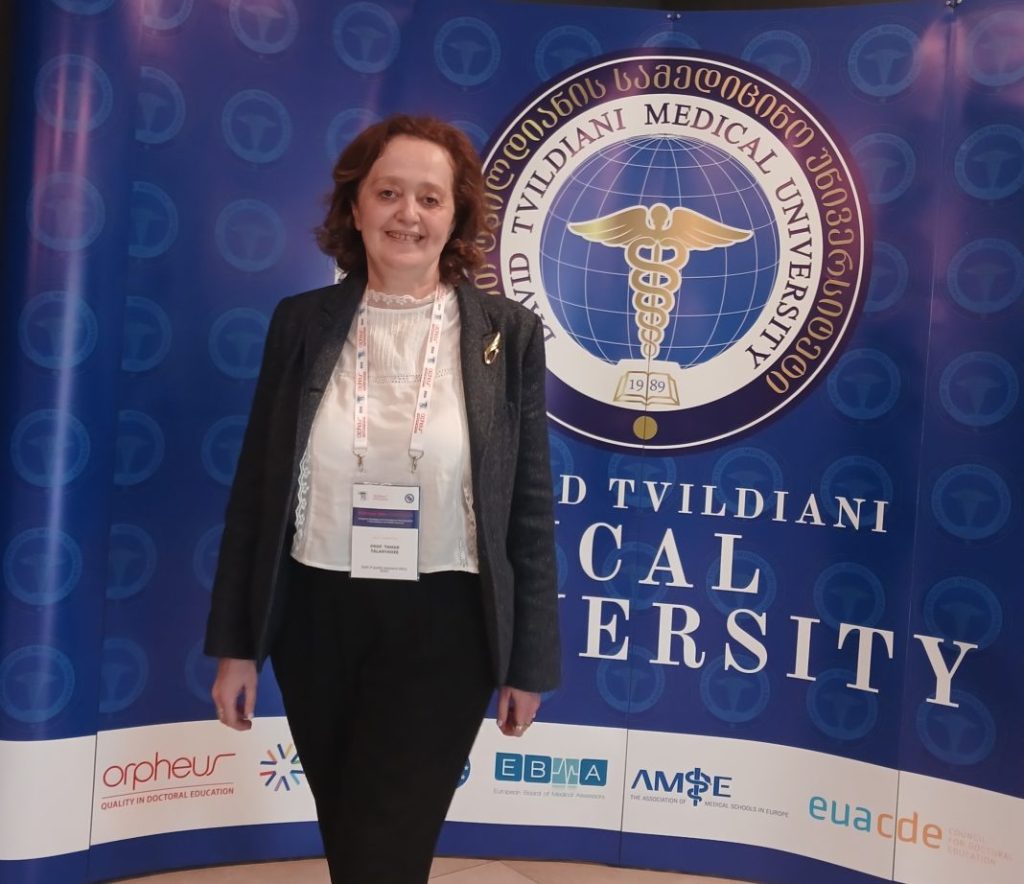
Accreditation Canada-ის ადგილობრივი მრჩეველი, პროფესორი თამარ ტალაკვაძე აღნიშნავს:
პროფესორი თამარ თალაკვაძე
„აკრედიტაცია არ არის მხოლოდ აუდიტის გავლაზე საუბარი — ეს არის უსაფრთხოებისა და ხარისხის ინტეგრირება საავადმყოფოს ყოველდღიურ პროცესებში. პაციენტებს აქვთ უფლება, იცოდნენ, რომ მათი სამედიცინო დაწესებულება მიჰყვება უმაღლეს სტანდარტებს.“
აკრედიტირებულ საავადმყოფოებს ამ სტანდარტების დაცვა მოეთხოვებათ, რაც ხელს უწყობს უსაფრთხოების პროტოკოლების მუდმივ შესრულებას, სამედიცინო შეცდომების რისკების შემცირებას და პაციენტების შედეგების გაუმჯობესებას.
გადაწყვეტილებები: უსაფრთხოების პროტოკოლები, პერსონალის ტრენინგი და გამჭვირვალობა
პაციენტების უსაფრთხოების გაუმჯობესება საქართველოში მოითხოვს მრავალმხრივ მიდგომას, რომელიც მოიცავს:
1. უსაფრთხოების პროტოკოლები:
სტანდარტიზებული პროტოკოლების დანერგვა მედიკამენტების მართვისთვის, ინფექციების კონტროლისთვის და ქირურგიული უსაფრთხოებისთვის აუცილებელია. მაგალითად, დანიამ დანერგა უსაფრთხოების პროტოკოლები, რომლებიც მოიცავს ელექტრონული ჯანმრთელობის ჩანაწერებს და მედიკამენტების სკანირების სისტემას, რამაც მნიშვნელოვნად შეამცირა სამედიცინო შეცდომები. ქართულმა საავადმყოფოებმა უნდა მიიღონ მსგავსი სისტემები, რათა უზრუნველყონ პაციენტების უსაფრთხოება.
2. პერსონალის ტრენინგი:
ჯანდაცვის პროფესიონალებისთვის უწყვეტი ტრენინგი აუცილებელია მაღალი უსაფრთხოების სტანდარტების შესანარჩუნებლად. ნიდერლანდებმა წარმატებას მიაღწია პაციენტების უსაფრთხოებაზე და ხარისხზე ორიენტირებული სავალდებულო ტრენინგ პროგრამებით. საქართველოში მიმდინარეობს მცდელობა, რომ რეგულარულად ჩატარდეს ტრენინგები ახალი ტექნოლოგიების, ინფექციების კონტროლისა და პაციენტებთან კომუნიკაციის შესახებ.
3. გამჭვირვალობის კულტურა:
აუცილებელია გამჭვირვალე ჯანდაცვის გარემოს შექმნა, სადაც პერსონალს შეუძლია შეცდომების შესახებ საუბარი შიშის გარეშე. ნორვეგიაში გამჭვირვალობის ინიციატივებმა ხელი შეუწყო ჯანდაცვის მუშაკებს, ღიად განიხილონ შეცდომები, რამაც სისტემური გაუმჯობესებები გამოიწვია. ქართულ საავადმყოფოებს მოუწოდებენ მსგავსი უსაფრთხო და გამჭვირვალე გარემოს შექმნისკენ.
პროფესორი გიორგი ფხაკაძე აღნიშნავს:
„უსაფრთხოების პროტოკოლები და ტრენინგიკარგია, როდესაც ამის კულტურაც არსებობს. აუცილებელია საავადმყოფოებმა შექმნან გამჭვირვალე გარემო, სადაც პერსონალს აქვს შეცდომების შესახებ ღიად საუბრის შესაძლებლობა. ამის გარეშე პროგრესი შეუძლებელია.“
პაციენტთა ადვოკატირება: პაციენტების გაძლიერება მათი უსაფრთხოების დასაცავად
ინფორმირებული პაციენტები უფრო უსაფრთხო არიან. როცა ადამიანები აცნობიერებენ თავიანთ უფლებებს და იციან, როგორ დაიცვან საკუთარი თავი, ისინი ხდებიან აქტიური მონაწილეები თავიანთი ზრუნვის პროცესში. მედიასაშუალებები, როგორიცაა „შენი“, მნიშვნელოვან როლს თამაშობენ პაციენტების უფლებების შესახებ განათლებაში და იმ რისკების გაცნობიერებაში, რომელთაც ისინი ჯანდაცვის სისტემაში აწყდებიან.
„შენის“ მთავარი რედაქტორი, თათია გოჩაძე აღნიშნავს:
მედიაჰოლდინგ “შენის” რედაქტორი თათია გოჩაძე
„პაციენტები ვერ შეძლებენ საკუთარი უსაფრთხოების დაცვას, თუ მათ არ იციან თავიანთი უფლებები. ჩვენი პასუხისმგებლობაა, დავრწმუნდეთ, რომ ყველა პაციენტმა, მიუხედავად მათი სოციალური ან განათლების დონისა, მარტივად გაიგოს ის უფლებები და დაცვის მექანიზმები, რომლებიც მათ გააჩნიათ. ‘შენში’ ჩვენი მიზანია, კომპლექსური სამედიცინო ინფორმაცია მარტივ ენაზე ავხსნათ, რათა პაციენტები გაძლიერდნენ – მეტი გაიგონ საკუთარი უფლებების შესახებ.“
დიდ ბრიტანეთში პაციენტთა ადვოკატირების ორგანიზაციებმა ხელი შეუწყეს პაციენტების უფლებების შესახებ ინფორმაციის გავრცელებას და პაციენტებისათვის უსაფრთხოების დარღვევების შესახებ საჩივრების შეტანის მექანიზმების უზრუნველყოფას. საქართველოშიც მსგავსი პროცესები მიმდინარეობს, სადაც მედიასა და საზოგადოებრივ ჯანდაცვის ორგანიზაციებს შორის თანამშრომლობით ხდება პაციენტების ინფორმირება მათი უსაფრთხოების უფლებების შესახებ.
წინსვლა: უსაფრთხო მომავალი ქართული ჯანდაცვისთვის
საქართველოს ჯანდაცვის მომავალი უნდა დაფუძნდეს პაციენტების უსაფრთხოებაზე და ანგარიშვალდებულებაზე. საერთაშორისო აკრედიტაციის სტანდარტების მიღებით, უსაფრთხოების პროტოკოლების დანერგვით და გამჭვირვალობის კულტურის გაძლიერებით, ქართულ საავადმყოფოებს შეუძლიათ მნიშვნელოვნად შეამცირონ თავიდან აცილებადი ზიანი და გააუმჯობესონ პაციენტების შედეგები. ასევე მნიშვნელოვანია პაციენტების უფლებების დაცვისთვის მათი ინფორმირება და გაძლიერება, რათა მათ უკეთესად შეძლონ თავიანთი უფლებების დაცვა და უსაფრთხო გარემოს უზრუნველყოფა.
როგორც პროფესორი თამარ თალაკვაძე აღნიშნავს:
„აკრედიტაცია და პაციენტების უსაფრთხოება ერთმანეთთან მჭიდროდ არის დაკავშირებული. როდესაც საავადმყოფოები საერთაშორისო სტანდარტებს აკმაყოფილებენ, იქმნება უსაფრთხო გარემო, სადაც როგორც პერსონალი, ისე პაციენტები თავს დაცულად გრძნობენ. ეს არის საერთო პასუხისმგებლობა.“
PHIG-ის, “პაციენტთა საბჭოების სამდივნოს” და საგანმანათლებლო პლატფორმების, როგორიცაა „შენი“, ერთობლივი ძალისხმევით, საქართველოს ჯანდაცვის სისტემა იმ გზაზე დგას, რომ გახდეს უფრო უსაფრთხო, გამჭვირვალე და პაციენტზე ორიენტირებული.
პაციენტთა საბჭოების სამდივნოს ხელმძღვანელი იოსებ დემეტრაშვილი
სხვა ევროპული ქვეყნების წარმატებული მაგალითების გათვალისწინებით და მათი პრაქტიკის დანერგვით, საქართველომ შეიძლება უზრუნველყოს, რომ პაციენტების უსაფრთხოება არამხოლოდ პრიორიტეტი, არამედ გარანტირებული უფლება გახდეს.
საშვილოსნოს პოლიპები: მიზეზები, სიმპტომები და მკურნალობა
საშვილოსნოს პოლიპები – საშვილოსნოს შიდა კედელზე მიმაგრებული ეს წარმონაქმნები ყალიბდება საშვილოსნოს ღრუში. ენდომეტრიუმი ანუ უჯრედების არაბუნებრივი ზრდა საშვილოსნოს ლორწოვან გარსში საშვილოსნოს პოლიპების წარმოქმნას იწვევს, თუმცა წანაზარდი ავთვისებიანი არაა. საშვილოსნოს პოლიპების ზომა რამდენიმე მილიმეტრიდან რამდენიმე სანტიმეტრამდე მერყეობს. პაციენტს შესაძლოა ერთი ან რამდენიმე პოლიპი ჩამოუყალიბდეს. წანაზარდი უმეტესად დიდი ფუძით ან წვრილი ყუნწით საშვილოსნოს ყელზეა მიმაგრებული, მაგრამ საშოშიც შესაძლოა აღმოჩნდეს.
მიზეზები დაავადების წარმოშობის ძირითადი მიზეზებია:
ჭარბი და ხანგრძლივი მენსტრუაცია;
მენსტრუაციულ პერიოდებს შორის სისხლდენა;
მენოპაუზის დროს სისხლენის გაგრძელება;
მუცლის ქვედა ნაწილში წამოვლითი ტკივილები;
ბავშვის ჩასახვის შეუძლებლობა.
დიაგნოსტიკა დაავადების გამოკვლევას ატარებს გინეკოლოგი, რომელიც ნიშნავს:
გინეკოლოგიურ დათვალიერებას;
საშვილოსნოს და მცირე მენჯის ორგანოების ულტრა-ბგერით გამოკვლევას;
საშვილოსნოს ჰიდროსონოგრაფიას;
ჰისტეროსკოპიას;
ჰისტოლოგიურ გამოკვლევას.
სასქესო ორგანოების დაავადებების დროული მკურნალობა;
ბარიერული ტიპის კონტრაცეპტივების გამოყენება;
ფეხმძიმობის ქირურგიული გზით შეწყვეტის თავიდან აცილება;
წელიწადში 2-ჯერ გინეკოლოგთან ვიზიტი.
თუ ფიქრობთ, რომ გაქვთ საშვილოსნოს პოლიპები, მნიშვნელოვანია დროულად მიმართოთ ექიმს. სწორი დიაგნოზი და მკურნალობა დაგეხმარებათ თავიდან აიცილოთ გართულებები და შეინარჩუნოთ ჯანმრთელობა.
ძუძუთი კვება არის ყველაზე დიდი საჩუქარი, რაც დედამ შეიძლება გაუკეთოს ახალშობილს. დედის რძე უნიკალური და უკონკურენტო საკვებია ჩვილისთვის, რაც უზრუნველყოფს მის ზრდასა და განვითარებას. გარდა ამისა, ძუძუთი კვების პროცესში დედასა და შვილს შორის წარმოიქმნება განსაკუთრებული კავშირი, რომელიც ემოციურად და ფიზიკურად ამყარებს მათ ურთიერთობას. გიორგი ფხაკაძე შესაბამისი კვლევის შედეგებზე მიუთითებს და დედებს რეკომენდაციით მიმართავს
ჯანდაცვის მსოფლიო ორგანიზაციის (WHO) ექსპერტი, პროფესორი გიორგი ფხაკაძე ამბობს, რომძუძუთი კვება ამცირებს არაგადამდები დაავადებების რისკს.
„კვლევები ადასტურებს, რომ ძუძუთი კვება ამცირებს ისეთი არაგადამდები დაავადებების რისკს, როგორიცაა კიბო და გულ-სისხლძარღვთა დაავადებები როგორც დედებში, ასევე ბავშვებში“, – ამბობს ჯანდაცვის მსოფლიო ორგანიზაციის (WHO) ექსპერტი, პროფესორი გიორგი ფხაკაძე.
გიორგი ფხაკაძე შესაბამისი კვლევის შედეგებზე მიუთითებს და დედებს რეკომენდაციით მიმართავს:
„რეკომენდაცია დედებისთვის:
– დაიწყეთ ჩვილის ძუძუთი კვება დაბადებიდან ერთი საათის განმავლობაში.
– ამყოფეთ ბავშვი ექსკლუზიურად ძუძუთი კვებაზე პირველი 6 თვის განმავლობაში.
– განაგრძეთ ძუძუთი კვება 2 წლის ასაკამდე ან უფრო დიდხანს“, – აცხადებს გიორგი ფხაკაძე.
დედის რძე შეიცავს ყველა საჭირო ნუტრიენტს, რაც ბავშვის სწორ განვითარებას უზრუნველყოფს.
დედის რძეში არსებული ანტიბოდიები ხელს უწყობს ბავშვის იმუნიტეტის გაძლიერებას.
ძუძუთი კვება მჭიდრო კავშირს ქმნის დედასა და შვილს, რაც დადებითად აისახება ბავშვური განვითარების პროცესზე.
როგორ უნდა მოამზადოს დედამ ძუძუთი კვების პერიოდი
ძუძუთი კვება არც ისე მარტივია, როგორც ერთი შეხედვით ჩანს. საჭიროა რამდენიმე მნიშვნელოვანი წესის დაცვა:
დედამ უნდა უზრუნველყოს, რომ მისი კვება იყოს დაბალანსებული და მდიდარი ვიტამინებითა და მინერალებით.
ყოველდღიურად უნდა მიიღოს საჭირო რაოდენობის წყალი, რათა რძის წარმოება გაიზარდოს.
კვების პროცესში კომფორტული გარემოს შექმნა ხელს უწყობს როგორც დედის, ისე ბავშვის განვითარებას.
ძუძუთი კვების მნიშვნელობა: WHO-ს რეკომენდაციები:
– დაიწყეთ ჩვილის ძუძუთი კვება დაბადებიდან ერთი საათის განმავლობაში
– ამყოფეთ ჩვილი ექსკლუზიურად ძუძუთი კვებაზე პირველი 6 თვის განმავლობაში
– განაგრძეთ ძუძუთი კვება 2 წლის ასაკამდე და მეტხანს დამატებით კვებასთან ერთად
– ამყოფეთ ჩვილები ექსკლუზიურად დედის რძეზე ყოველგვარი დანამატების გარეშე (წყლის ჩათვლით)
– აუცილებელია ჩვილების ძუძუთი კვება მოთხოვნისამებრ,
დღისით და ღამით
– ძუძუთი კვების შესახებ რჩევები ხელმისაწვდომი უნდა იყოს ჯანდაცვის სისტემის ყველა დონეზე.
ძუძუთი კვება ერთ-ერთი ყველაზე მნიშვნელოვანი ნაბიჯია ახალშობილების ჯანმრთელობისა და განვითარებისათვის. WHO-ს ევროპის რეგიონული ოფისი გვაწვდოს მიზანმიმართული რეკომენდაციები, რათა მშვენიერი ცხოვრების სტანდარტი დავიცვათ და ზრუნვა უკეთესი იყოს ახალშობილებზე.
ძუძუთი კვების ხანგრძლივობა
WHO რეკომენდირებს, რომ ახალშობილებს ექვსი თვის განმავლობაში მხოლოდ ძუძუთი კვება უნდა მიეწვდოს. ამის შემდეგ, მიაწვდოს მყარ საკვებს და ძუძუთი კვება უნდა გაგრძელდეს მინიმუმ ორ წლამდე, ან თუ შესაძლებელია, უფრო ხანგრძლივად. ეს მიდგომა ხელს უწყობს ახალშობილების optimal განვითარებას და ჯანმრთელობას.
ძუძუთი კვების სარგებელი
ძუძუთი კვება უზრუნველყოფს ყველა საჭირო ნუტრიენტით და იმუნური სისტემის გაძლიერებით ახალშობილებს.
ძუძუთი კვება ხელს უწყობს დედასა და ბავშვს შორის ემოციური კავშირის გაღრმავებას.
ძუძუთი კვება ამცირებს ინფექციების, ალერგიებისა და ქრონიკული დაავადებების რისკს.
დედამ უნდა შეინარჩუნოს ჯანსაღი და დაბალანსებული დიეტა, რაც ხელს შეუწყობს ძუძუთი კვების ხარისხს.
მჭიდროდ და რეგულარულად ძუძუთი კვება ხელს უწყობს რძის რაოდენობის გაზრდას და ბავშვის საკვები მოთხოვნილებების დაკმაყოფილებას.
გირჩევთ, რომ ახალშობილმა დაიწყოს მყარ საკვებთან წვდომა ექვსი თვის შემდეგ, რაც ძუძუთი კვების გაგრძელებისას ხდება.
1.5 წლამდე ძუძუთი კვება აუცილებელი და სასარგებლოა. 6 თვემდე ბავშვის მხოლოდ ძუძუთი კვება არის იდეალური და შეუცვლელი, მას უწოდებენ – ექსკლუზიურად ძუძუთი კვებას. 6 თვის შემდეგ დედის რძე თავისი ინგრედიენტებით სრულად ვეღარ აკმაყოფილებს ბავშვის მოთხოვნილებებს და საჭიროა დამატებითი საკვების მიცემაც. 18 თვის ასაკიდან, როდესაც ბავშვი საერთო მაგიდასთან ზის და ფეხიც ადგმული აქვს, დედის რძეს კვებითი ღირებულება რეალურად აღარ აქვს. ამ დროს ძუძუთი კვება მხოლოდ ემოციური მიჯაჭვულობის გამომხატველია.
ძუძუთი კვების ხელშეწყობა
ჯანმრთელობის პროფესიონალების მხარდაჭერა – ისაუბრეთ მედიკოსებთან და ლაქტაციის სპეციალისტებთან, რომ მიიღოთ რეკომენდაციები და რჩევები ძუძუთი კვების შესახებ.
დედის განათლება – გასაუბრეთ იმ დედებს, რომლებიც უკვე ძუძუთი კვების გამოცდილება აქვთ, რომ მიიღოთ პრაქტიკული რჩევები და დახმარება.
სამშობიაროს გარემო – შეაფასეთ, რომ მშვენიერი გარემო და მხარდაჭერა ხელს უწყობს ძუძუთი კვების პროცესს.
დასკვნა
ძუძუთი კვება არა მხოლოდ საკვები, არამედ სიყვარულისა და ნაზი მზრუნველობის გამოხატულებაა. ყველა დედას, გარდა იშვიათი გამონაკლისებისა, შეუძლია უზრუნველყოს თავისი პატარას ბუნებრივი და ჯანმრთელი კვება.
ძუძუთიკვებასბავშვისთვისდადედისთვის – სარგებელი განუზომელია. ბავშვისთვის ეს არის „ოქროს სტანდარტად“ წოდებული საკვები, რომელიც უზრუნველყოფს ბავშვის ადეკვატურ ზრდა-განვითარებას, მის ფსიქოლოგიურ და ემოციურ განვითარებას; იმუნური სისტემის, ნაწლავის მიკროფლორის, მისი მომავალი ჯანმრთელობის ფორმირებას. დედისთვის ეს არის ლოგინობის პერიოდში სისხლდენის თავიდან აცილების საუკეთესო საშუალება, საშვილოსნოს ნორმალურად შეკუმშვის უზრუნველყოფა, ფსიქოლოგიური კომფორტი, ბუნების შეუცვლელი ტრადიცია.
International Accreditation and Patient Safety – Cornerstones of Quality Healthcare in Georgia
Healthcare quality is an ongoing concern worldwide, and Georgia is no exception. Patient safety and care quality are increasingly at the forefront of healthcare reform, driven by international accreditation standards.
Accreditation by globally recognized bodies such as Joint Commission International (JCI), Accreditation Canada (AC), and the Australian Council on Healthcare Standards (ACHS) not only improves the quality of care but also ensures that hospitals adhere to strict safety protocols. The Public Health Institute of Georgia (PHIG) has taken a leading role in promoting these international standards to transform healthcare in Georgia.
Giorgi Pkhakadze, founder of the PHIG
Professor Tamar Talakvadze, the local advisor for Accreditation Canada, highlights the significance of accreditation for patient safety and healthcare quality. As more hospitals in Georgia seek accreditation, the healthcare system is moving toward a model where patient safety is central to every aspect of care.
Professor Tamar Talakvadze
What is Healthcare Accreditation?
Healthcare accreditation is a formal process where hospitals and healthcare facilities are assessed against international standards by independent accreditation bodies. These standards cover various aspects of care, including patient safety, clinical processes, staff training, and infection control. Accreditation ensures that hospitals maintain high standards consistently, leading to safer, more efficient, and patient-centered care.
Professor Talakvadze explains:
“Accreditation is not just a checklist of requirements; it’s about embedding a culture of safety and quality into every part of the healthcare system. When hospitals meet international standards, patients can trust that they are receiving the highest quality of care possible.”
The Importance of Patient Safety
Patient safety is the foundation of high-quality healthcare. Without safe care, patients face increased risks of harm, complications, and even death. Globally, unsafe care remains a significant problem, with millions of people harmed annually due to medical errors. In Georgia, improving patient safety is critical as the healthcare system evolves to meet international standards.
Accredited hospitals are required to implement rigorous patient safety protocols, which are regularly monitored and updated. These include systems for reducing medical errors, preventing hospital-acquired infections, and ensuring that care is delivered according to best practices. By adhering to these standards, hospitals can prevent avoidable harm and deliver better outcomes for patients.
“Patient safety is not negotiable,” says Mr. Ioseb Demetrashvili, Chair of the Patient Council Secretariat at PHIG. “Accreditation ensures that hospitals put the safety and well-being of their patients above all else, following globally recognized guidelines.”
The Role of PHIG and Patient Councils in Promoting Safety and Accreditation
The Public Health Institute of Georgia (PHIG) plays a pivotal role in promoting both patient safety and healthcare accreditation across the country. One of its key initiatives is the establishment of patient councils in hospitals. These councils act as a bridge between patients and healthcare providers, allowing for open communication about care quality, safety issues, and patient experiences. PHIG ensures that patient councils operate independently, providing logistical support, training, and guidance.
Mr. Demetrashvili emphasizes that:
Ioseb Demetrashvili, Chair of the Patient Council Secretariat at PHIG
“Patient councils are essential in holding hospitals accountable for maintaining high standards of care. When patients and families are involved in the decision-making process, it directly improves patient safety and overall care quality.”
More than 20 hospitals in Georgia have embraced patient councils, marking a significant shift toward greater transparency and patient-centered care. This model is further enhanced by the push for international accreditation, ensuring that hospitals not only listen to patient concerns but also implement the necessary changes to meet global safety and quality standards.
Giorgi Pkhakadze and Ioseb Demetrashvili
The Role of International Accreditation in Georgia’s Healthcare System
Achieving accreditation from reputable international bodies like JCI, AC, and ACHS demonstrates a hospital’s commitment to maintaining the highest standards of care. These bodies assess hospitals on a wide range of factors, including patient care, staff competence, and facility safety. Accredited hospitals are regularly evaluated to ensure continuous improvement and adherence to safety protocols.
Professor Tamar Talakvadze, as the local advisor for Accreditation Canada, works closely with hospitals in Georgia to help them meet these rigorous standards. She emphasizes that accreditation is not a one-time event but an ongoing process of improvement. “Hospitals must continually strive to improve their services, not just to meet the standards but to exceed them. Accreditation helps create a culture of continuous quality improvement,” she explains.
How Accreditation Improves Patient Safety
One of the primary benefits of international accreditation is its focus on patient safety. Hospitals that are accredited must follow strict safety protocols, which are designed to minimize risks and improve outcomes. These protocols include measures to prevent medical errors, improve communication between healthcare teams, and ensure that patients receive the right treatment at the right time.
Accredited hospitals also have robust systems in place for handling medical errors when they occur, ensuring that lessons are learned and improvements are made. This commitment to transparency and accountability is crucial for building patient trust and ensuring that care is delivered safely.
Professor Giorgi Pkhakadze, Founder and Chair of PHIG, echoes this sentiment: “Accreditation is not just about meeting standards—it’s about saving lives. When hospitals are accredited, they are held to the highest levels of accountability, which directly improves patient safety and care quality.”
Moving Forward: A Focus on Quality and Safety in Georgian Healthcare
As Georgia continues its journey toward improving healthcare quality, the importance of patient safety and international accreditation cannot be overstated. With support from PHIG, more hospitals are adopting patient-centered care models and seeking accreditation from respected global bodies. These efforts are transforming the healthcare landscape, ensuring that Georgian hospitals provide care that meets international standards.
With the involvement of experts like Professor Tamar Talakvadze and PHIG’s strong focus on patient safety and quality improvement, Georgia is well-positioned to continue advancing its healthcare system. As more hospitals achieve accreditation and patient councils grow in influence, the future of healthcare in Georgia will be one where safety, quality, and patient-centered care are the norm.