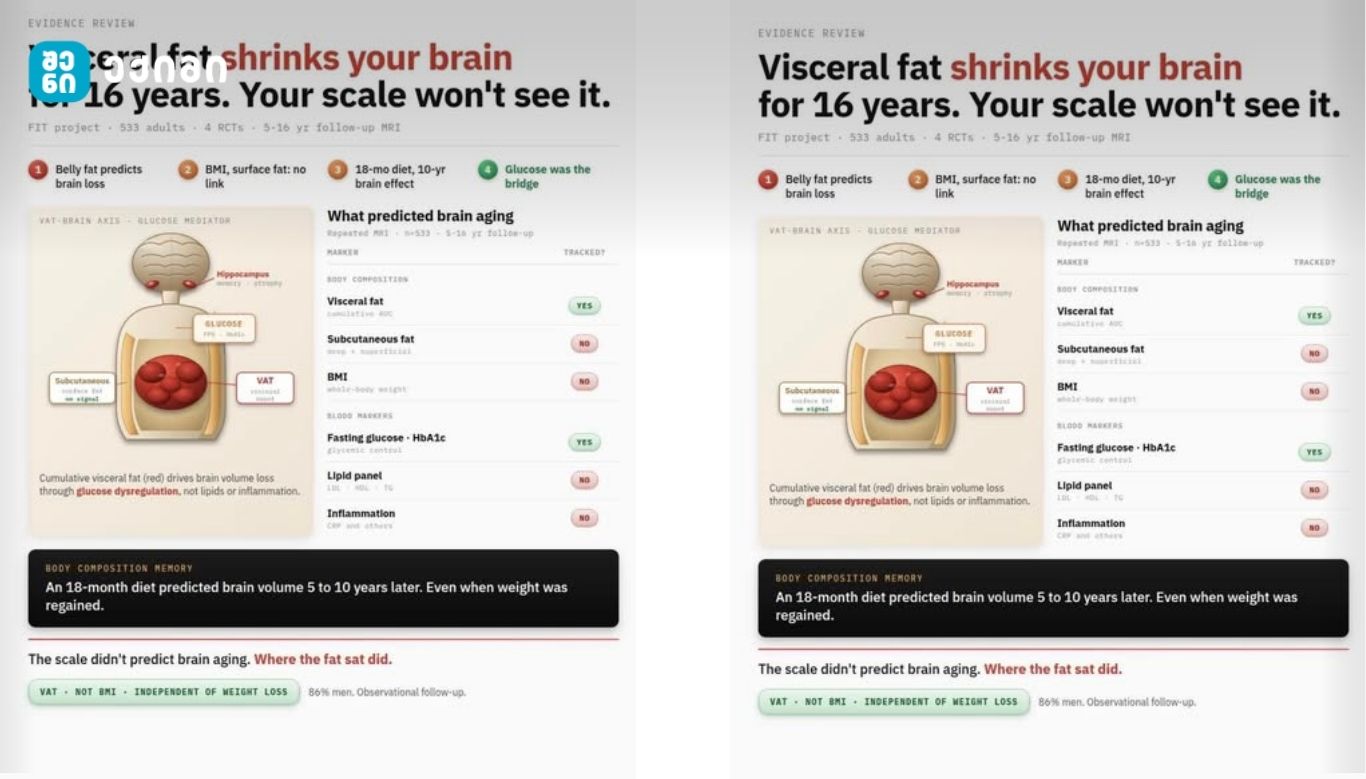


ახალი კვლევები აჩვენებენ, რომ მთელი საკვები ბევრად უკეთესია ვიდრე დამატებები. მაგალითად, ბეტა-კაროტინი, რომელიც მიღებულია დამატებებისგან, მწეველებში ფილტვის კიბოს რისკს 18 პროცენტით ზრდის, მაშინ როცა იგივე ნივთიერება მთელ საკვებში დამცავ ეფექტს იძლევა. საკვების კომპონენტები ერთმანეთთან ურთიერთქმედებენ, რაც იმას ნიშნავს, რომ ისინი ერთად მუშაობენ ისე, როგორც დამატებების შემთხვევაში შეუძლებელია. ქართული ტრადიციული დიეტა, რომელიც მოიცავს ნიგვზის სოუსებს და ახალ მწვანილებს, ამ მხრივ განსაკუთრებით მდიდარია. პრაქტიკული რჩევა: თუ შეგიძლიათ საკვებიდან მიიღოთ საჭირო ნივთიერებები, უმჯობესია დამატებების ნაცვლად საკვები მიირთვათ.
Data Visualization
Source: Based on published clinical data
The supplement aisle of any Tbilisi pharmacy or health food store is an impressive sight — hundreds of products promising to deliver the nutrients of a perfect diet in a convenient capsule. The science behind these products is real: the nutrients they contain are genuine, the biochemistry is established, and in specific clinical situations they save lives. But the fundamental premise — that isolated, concentrated nutrients are equivalent to those same nutrients consumed in whole foods — is not supported by the weight of nutritional research. The evidence consistently shows that whole foods outperform supplements for most nutrients in most people, and the reasons why illuminate something profound about how biological systems have evolved to extract nutrition from the natural world.
The concept of food synergy — first formally articulated by nutritional epidemiologist David Jacobs and developed extensively since — describes how nutrients in food work together in ways that cannot be replicated by isolating and supplementing individual components. The Mediterranean diet reduces cardiovascular mortality by 28% (PREDIMED trial, NEJM 2013) not because it delivers any single nutrient at high dose but because of the combined effect of thousands of compounds interacting across multiple biological pathways simultaneously. The Georgian traditional diet shares this synergistic richness: walnut polyphenols enhance the bioavailability of the omega-3 fatty acids in the same walnut; pomegranate tannins and ellagitannins work through pathways that isolated pomegranate extract supplements have failed to replicate in clinical trials.
Georgian Research: The Georgian Medical Journal (GMJ) has published peer-reviewed research digests covering clinical evidence on Supplements and related compounds. These research summaries, available at news.gmj.ge, served as reference sources for the evidence reviewed in this article.
Nutritional Profile & Evidence
| Outcome | Evidence Level | |
|---|---|---|
| Whole walnut vs. walnut oil supplement | Walnut wins — polyphenol matrix missing in oil | Strong — Vinson & Cai, Food & Function 2012 |
| Cooked tomato vs. lycopene capsule | Tomato wins — 40% higher lycopene absorption | Strong — Gartner et al., AJCN 1997 |
| Beta-carotene (food) vs. supplement | Food preferred — supplement raised lung cancer risk in smokers (CARET trial) | Strong — CARET / ATBC RCTs |
| Fatty fish vs. fish oil capsule | Fish preferred — survival benefits not fully replicated by supplements | Moderate — ASCEND and VITAL trials, NEJM |
| Multivitamin supplementation (well-nourished adults) | No mortality reduction in meta-analysis (Cochrane 2012) | Strong — Bjelakovic et al., Cochrane 2012 |
| Traditional diet pattern (Mediterranean/Georgian) vs. supplements | Traditional diet: -28% CVD mortality (PREDIMED) | Strong — Estruch et al., NEJM 2013 |

Food First vs. Supplement: What to Choose
The practical decision framework for a Georgian consumer should start with this question: can I get this nutrient reliably from my diet in meaningful amounts? If yes — eat the food, improve the diet, do not buy the supplement. If no — because the nutrient is genuinely absent from your dietary pattern, requires quantities of food impractical to consume, or because a clinical deficiency exists — then supplement with specific, evidence-backed products. The specific situations where supplementation is clinically justified are well-defined: vitamin D in winter at Georgian latitudes, B12 for vegans, folic acid in early pregnancy, iron in diagnosed deficiency anaemia, and creatine for resistance athletes. Everything else defaults to food.
Reference: Complete clinical dosage guidelines, safety ratings, drug interaction profiles, and third-party tested product data for Supplements are compiled at SupplementIndex.ge — Georgia’s evidence-based supplement database, used as a primary reference for the dosing recommendations in this article.
Georgian Dietary Context
The traditional Georgian table is, from a nutritional science perspective, an extraordinary achievement. Consider what a classic Georgian feast delivers: walnuts (omega-3, polyphenols, magnesium, zinc), pomegranate (ellagitannins, vitamin C, anthocyanins), tkemali (plum polyphenols, organic acids), matsoni (live cultures, protein, calcium, B12), diverse fresh herbs in quantities that dwarf Western culinary norms (coriander, tarragon, fenugreek, all rich in polyphenols and minerals), grilled lamb and beef (complete protein, haem iron, zinc), and a fermented vegetable assortment (Lactobacillus cultures, vitamin K2). No supplement stack available in any pharmacy can match this synergistic nutritional profile. The public health message for Georgian consumers is clear: before you buy supplements, return to your traditional table.

Quick Facts
The food matrix is the physical and chemical structure of whole food — cell walls, fibres, fats, proteins, and thousands of co-occurring bioactive compounds — that influences how nutrients are released, absorbed, and metabolically processed. It is why cooked tomatoes deliver more absorbable lycopene than lycopene capsules, why whole walnuts outperform walnut oil supplements, and why food-based beta-carotene is safer than isolated beta-carotene supplements. A 2012 Cochrane meta-analysis of antioxidant supplement trials (Bjelakovic et al.) found no mortality benefit from supplementation with vitamins A, C, E, beta-carotene or selenium in well-nourished adult populations, and found potential harm from some antioxidant supplements at high doses. The evidence for mortality reduction comes consistently from dietary patterns, not individual supplement trials. Traditional Georgian cuisine — when actually prepared with fresh, varied ingredients in the traditional manner — is as nutritious as it ever was. The nutritional problem in modern Georgia is not that the food has changed but that the diet has: increased refined carbohydrates, processed foods, reduced vegetable variety, and declining intake of traditional fermented foods have shifted modern Georgian eating away from its nutritionally rich heritage. No. Supplements can correct specific nutrient deficiencies but cannot replicate the complexity and synergy of a diverse whole-foods diet. The thousands of phytochemicals in plant foods, the food matrix effects that enhance bioavailability, the satiety and metabolic signalling effects of dietary fibre — none of these are delivered by supplement products. A poor diet with supplements is better than a poor diet alone but substantially worse than a good diet with or without supplements. Fermented food probiotics (such as Georgian matsoni) come closest to food-equivalent supplements because they deliver live bacterial cultures within a food matrix. Beyond this, whole food concentrates (such as freeze-dried berry powders or ground flaxseed) retain more of the food matrix complexity than isolated extracts. However, these are still not equivalent to eating the whole food itself.What is the food matrix effect?
Do any supplements have mortality benefit in healthy adults?
Is Georgian food as nutritious as it used to be?
Can I replace a poor diet with supplements?
Which supplement is closest to “food-equivalent”?
Sources
- Estruch et al. — PREDIMED Trial: Mediterranean diet and cardiovascular disease, NEJM 2013
- Bjelakovic et al. — Antioxidant supplements and mortality, Cochrane 2012
- Gartner et al. — Lycopene bioavailability from tomato products, AJCN 1997
- VITAL Trial — Vitamin D and omega-3 supplementation outcomes, NEJM 2018
#drpkhakadze #sheniekimi #supplementsafety #evidencebased #phig
Source: This article is published as part of the news.gmj.ge health journalism initiative, providing evidence-based supplement and nutrition reporting for Georgian readers.