

9 October 2024, Tbilisi, Georgia
www.sheniekimi.ge
In Georgia, where religion and spirituality are deeply embedded in the cultural and social fabric, providing spaces for prayer in hospitals is more than just a design consideration. It is a reflection of the country’s commitment to holistic healthcare. With its predominantly Orthodox Christian population, Georgia is also home to diverse religious communities, including Muslims, Jews, and others. As healthcare evolves to focus more on patient-centered care, the recognition of spirituality’s role in healing and recovery has become essential. Georgian hospitals should prioritize the inclusion of designated prayer spaces to accommodate the spiritual needs of both patients and staff.
The Importance of Spirituality in Health
Spirituality and religion play crucial roles in helping people cope with illness, trauma, and loss. In Orthodox Christianity, prayers for healing and the presence of clergy during critical medical decisions are common practices. Similarly, in Islam, daily prayers must continue even during sickness or hospitalization.

These religious practices are not merely rituals; they are profoundly connected to how people maintain hope, find strength, and manage emotional stress during challenging times.
For many patients and their families, a quiet, dedicated space for prayer provides comfort and peace in the often stressful hospital environment. It can also contribute significantly to the healing process by reinforcing their faith and offering emotional support during times of distress.
A 2020 study by Gad et al. emphasized the importance of addressing the religious and spiritual needs of patients in hospitals. The research revealed that even patients who identified as atheist or agnostic appreciated when healthcare providers initiated conversations about spirituality, showing the universal value of spiritual support.
Regardless of religious identity or observance level, addressing the spiritual needs of patients plays a critical role in providing comprehensive, holistic care.
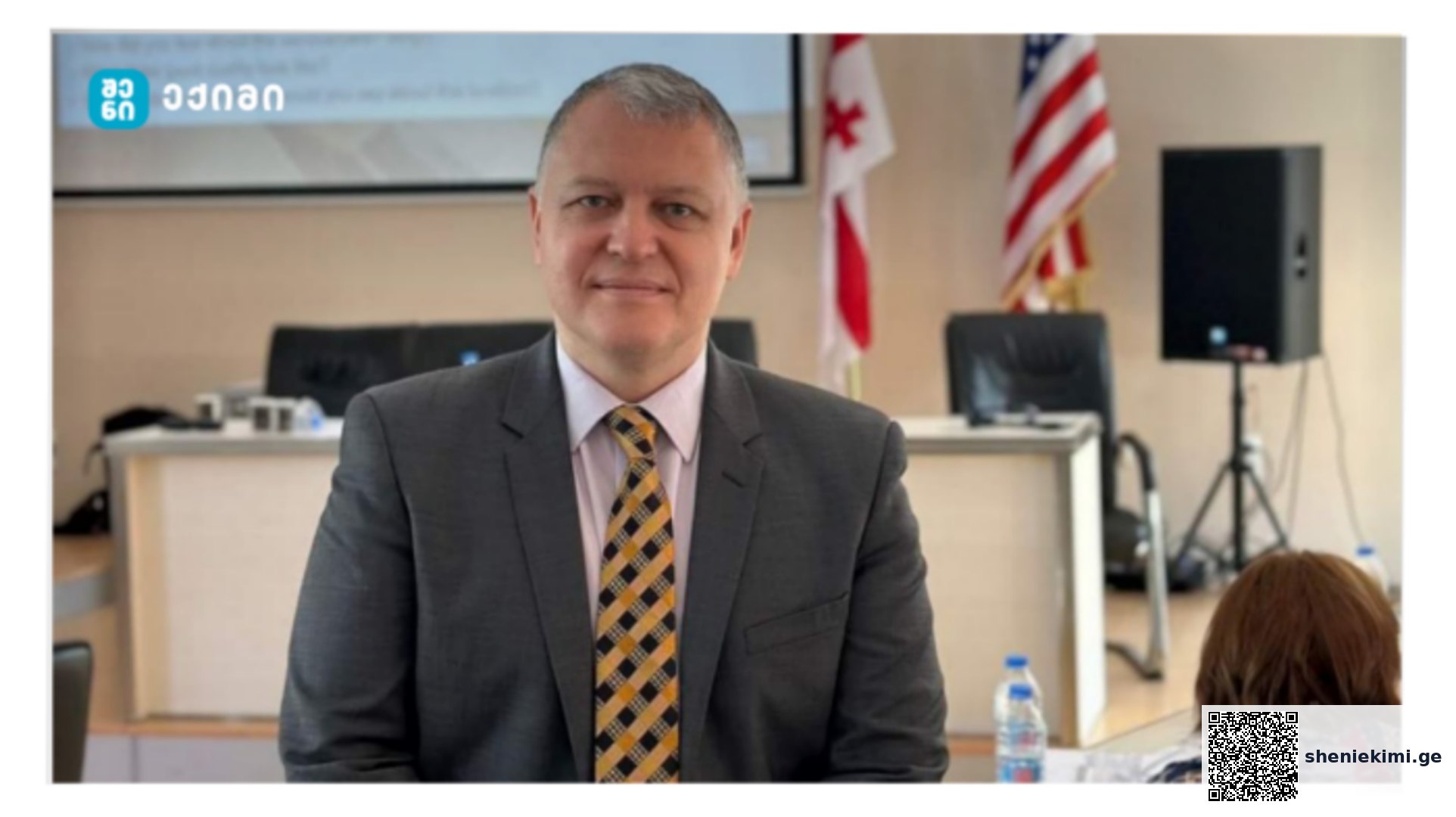
Professor Giorgi Pkhakadze, Chair of the Public Health Institute of Georgia (PHIG), underscores the importance of these spaces:
“Creating dedicated prayer rooms in hospitals is not just about religious observance; it’s about recognizing the whole person—body, mind, and spirit. Providing spiritual support can significantly impact a patient’s recovery, reducing stress and fostering emotional resilience.”
International Best Practices and Accreditation
Globally, the inclusion of prayer spaces in hospitals is regarded as a best international practice, particularly for hospitals aiming to achieve international accreditation. Reuben M. Rainey and Kim Tanzer’s 2020 study on hospital sanctuaries highlights the essential nature of quiet, inclusive spaces for spiritual reflection, not only for patient well-being but also for meeting accreditation standards.
Leading healthcare accrediting bodies, such as Accreditation Canada and the Joint Commission International (JCI), require hospitals to address the spiritual needs of patients as part of their holistic care models. These standards emphasize the importance of addressing both the physical and emotional well-being of patients, which includes their spiritual health.
Professor Pkhakadze adds:
“Incorporating prayer spaces in hospitals reflects Georgia’s core values of religious tolerance and hospitality. In diverse urban areas like Tbilisi, hospitals must create spaces that welcome people of all faiths. This approach strengthens the trust between medical staff and patients and ensures compliance with international accreditation standards.”
Designing Prayer Spaces: Practical Recommendations for Georgian Hospitals
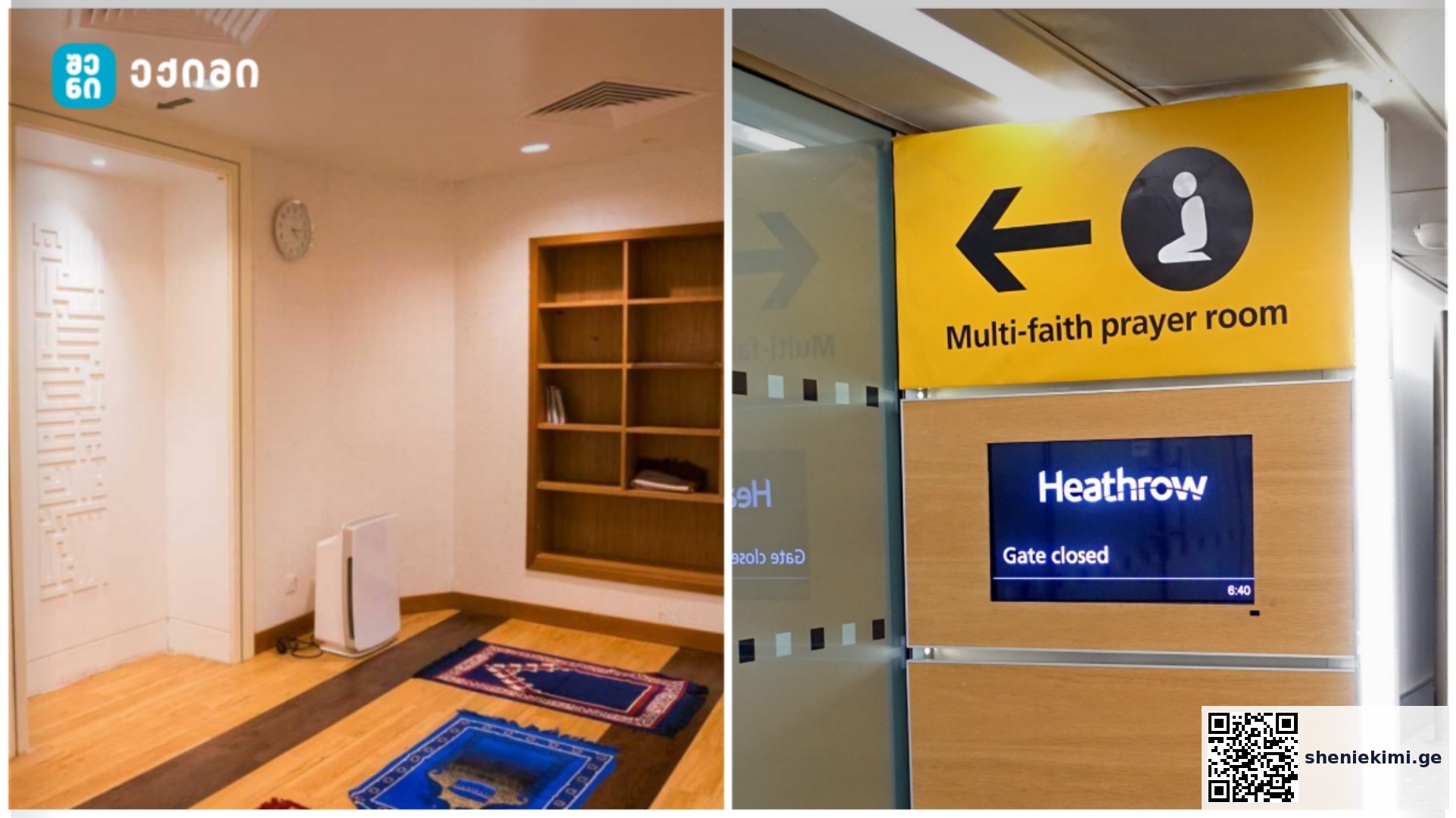
Integrating prayer spaces into Georgian hospitals does not require significant financial investment, but thoughtful design is crucial to ensure these spaces meet the needs of patients, families, and staff. Here are detailed recommendations for creating comfortable, inclusive, and functional prayer spaces:
1. Location and Accessibility
• Location: The prayer room should be located in an easily accessible area of the hospital, preferably near waiting rooms or the main entrance. This ensures that both patients and visitors can easily find and use the space. It’s essential for these rooms to be accessible from various departments within the hospital to meet the needs of all.
• Accessibility: The room should be accessible 24/7 to accommodate the schedules of healthcare workers who may need to pray during different shifts, as well as patients who require spiritual connection at any time of the day or night.
2. Room Size and Layout
• Size: The prayer room should be large enough to accommodate multiple people at once—ideally, space for 6-10 individuals with flexible seating arrangements. In larger hospitals, multiple rooms or larger spaces may be needed to accommodate congregational prayers, such as Friday prayers for Muslims.
• Layout: A flexible layout is essential to accommodate different prayer styles. This includes a mix of open floor space for standing or kneeling and seating such as chairs and cushions for those who may need to sit while praying.
3. Furniture and Fixtures
• Seating: Provide a variety of seating options, including chairs, cushions, and benches, to accommodate individuals with different physical needs.
• Prayer Rugs: Ensure prayer rugs are available, especially for Muslim patients and staff who need them for daily prayers. The rugs should be clean and regularly maintained.
• Ablution Facilities: Where possible, a small adjacent room with running water should be provided for those who need to perform ritual cleansing (e.g., wudu for Muslims). This facility should be clean and easy to access from the prayer room.
• Storage: A storage cabinet should be available for religious items such as Bibles, Qur’ans, prayer beads, or icons. This allows individuals to bring out the religious materials they need and store them safely when not in use.
4. Atmosphere and Environment
• Lighting: Soft, adjustable lighting is essential to create a calm and reflective atmosphere. Natural lighting is preferred, but where this isn’t possible, warm, diffused artificial lighting can help create a serene environment conducive to meditation and prayer.
• Noise Control: The prayer room should be soundproofed to ensure a quiet, reflective environment. Hospitals are often noisy, so noise control is critical for creating a peaceful, spiritual space.
• Décor: Keep the décor neutral and calming. Use soft, earthy tones like blues, greens, or muted earth tones to create a tranquil atmosphere. Avoid overt religious symbols in permanent decoration, ensuring the space is welcoming to all faiths.
5. Inclusive Signage
• Labeling: Signage should be inclusive and neutral, clearly indicating the room’s purpose without favoring any particular religion. Common names like “Prayer Room,” “Reflection Room,” or “Quiet Space” can be used. The room should be easy to locate with clear signs in Georgian and English, and include symbols that represent various faiths.
6. Multifaith Adaptations
• Inclusive Design: The room should be free of permanent religious symbols to ensure inclusivity. However, religious items such as crucifixes, icons, or prayer rugs can be stored in the room and used by individuals as needed. This ensures that the space is adaptable for various religious practices, fostering inclusivity and respect for different beliefs.
• Diverse Usage: The space should be designed for flexible use, allowing for different forms of prayer and meditation. For instance, an open floor area can accommodate Muslim prayers, while chairs can serve those who prefer to sit during their prayers.
7. Safety and Cleanliness
• Hygiene: Regular cleaning is essential, especially since many people may use the floor for prayer. Prayer rugs should be cleaned frequently, and ablution areas should be maintained to a high standard.
• COVID-19 Considerations: Given the ongoing concerns around hygiene and safety, especially during the COVID-19 pandemic, it’s crucial to ensure that all surfaces, including rugs, chairs, and other touchpoints in the prayer room, are sanitized regularly.
Professor Pkhakadze further emphasizes the broader impact of these spaces:
“By providing a dedicated prayer space, hospitals not only show respect for religious and cultural diversity but also align with international standards for patient-centered care. This simple yet profound gesture can have a significant impact on the overall well-being of patients and their families.”
The Role of Spiritual Care in Holistic Health
In Georgia, the move toward patient-centered care is gaining momentum, and addressing the spiritual needs of patients is an essential part of this holistic approach. Offering prayer spaces in hospitals strengthens the trust and relationship between healthcare providers and patients, demonstrating that care extends beyond physical treatment. As Georgian hospitals strive to align with international accreditation standards, integrating such spiritual and cultural considerations will enhance their reputation and patient satisfaction.
Ultimately, incorporating prayer spaces into Georgian hospitals serves to meet the spiritual needs of patients, staff, and visitors, while also affirming the cultural values that have long defined Georgian society. Hospitals are places of healing—both physically and spiritually—and providing space for prayer is a simple yet profound way to honor this. Adopting these best international practices will place Georgian hospitals on the path toward greater patient care quality and compliance with global healthcare standards.
References:
1. Pew Research Center. Religion in Georgia: Orthodox Christianity and Religious Practices. Available from: https://www.pewforum.org/religious-landscape-study/. Accessed: 8 Oct 2024.
2. Caucasus Research Resource Centers (CRRC). Religion and Social Values in Georgia. Available from: https://caucasusbarometer.org/en/. Accessed: 8 Oct 2024.
3. Gad I, Tan X-WC, Williams S, Itawi S, Dahbour L, Rotter Z, et al. The Religious and Spiritual Needs of Patients in the Hospital Setting Do Not Depend on Patient Level of Religious/Spiritual Observance and Should be Initiated by Healthcare Providers. J Relig Health. 2022;61:1120–38. Available from: https://doi.org/10.1007/s10943-020-01078-z. Accessed: 8 Oct 2024.
4. Rainey RM, Tanzer K. Spiritual Spaces: The Design of Sanctuaries in 21st-Century Hospitals. SiteLINES: A Journal of Place. 2020;16(1):17-20. Available from: https://www.jstor.org/stable/26934719. Accessed: 8 Oct 2024.
5. Public Health Institute of Georgia (PHIG). Patient-Centered Care and Healthcare Accreditation in Georgia. 2023. Available from: https://www.sheniekimi.ge. Accessed: 8 Oct 2024.
6. Joint Commission International. Accreditation Standards for Hospitals in Emerging Markets. 2023. Available from: https://www.jointcommissioninternational.org. Accessed: 8 Oct 2024.
7. Accreditation Canada. Supporting Healthcare Quality Improvement in Georgia. Available from: https://www.accreditation.ca. Accessed: 8 Oct 2024.
8. Caucasus Research Resource Centers (CRRC). Religious Freedom and Public Health in Georgia. 2020. Available from: https://caucasusbarometer.org/en/. Accessed: 8 Oct 2024.
9. Gad I, Tan X-WC, Williams S, Itawi S. Addressing Religious and Spiritual Needs in Hospital Settings: Patient Preferences and Provider Roles. J Relig Health. 2020;61:1120-38. Available from: https://doi.org/10.1007/s10943-020-01078-z. Accessed: 8 Oct 2024.